
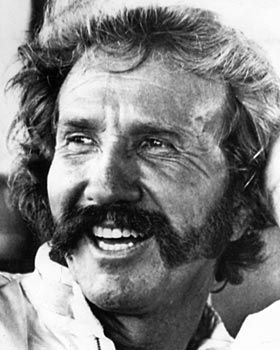
The Legendary Marty Robbins at the Grand Ole Opry: The Night the Music Never Wanted to Stop
If the Grand Ole Opry is the “Mother Church of Country Music,” then Marty Robbins was its most charismatic, unpredictable, and beloved high priest. Joining the Opry cast in 1953, Marty didn’t just perform on that hallowed stage—he owned it. From the Ryman Auditorium to the new Opry House, Marty’s relationship with the Opry was a decades-long love affair defined by world-class vocals, sharp wit, and a legendary refusal to follow the clock.
The King of the “Overtime” Encore
To the Opry management, Marty Robbins was a beautiful headache. He famously ignored the strict time slots of the live radio broadcast. If the crowd wanted more, Marty gave it to them, often playing 20 or 30 minutes past his scheduled exit, much to the chagrin of the stage managers and the delight of the WSM listeners.
For the audience, a Marty Robbins Opry set was an event. He would walk out in a perfectly tailored suit, his hair immaculate, and transition seamlessly from a gritty gunfighter ballad like “Big Iron” to a soaring pop hit like “A White Sport Coat.” He was a master of the “crossover” long before the term was a marketing buzzword, bringing a touch of Las Vegas glamour to the rustic stage of Nashville.
The “Velvet Voice” Under the Ryman Rafters
There was something spiritual about hearing Marty’s voice in the old Ryman Auditorium. The acoustics of the former tabernacle were the perfect match for his “Velvet Voice.” When he hit the high notes of “El Paso” or the mournful lows of “Don’t Worry,” the sound didn’t just fill the room—it haunted the rafters.
“You didn’t just hear Marty at the Opry; you felt the air in the building change. He had a way of making 3,000 people feel like they were sitting in his living room.”
A Final, Poignant Performance
Marty’s history with the Opry is marked by a touching bookend. In 1982, just days before he passed away, he performed his final set on the Opry stage. Even then, despite his health struggles, the voice was unmistakable—smooth, resonant, and full of that signature Robbins charm. He was the first person to perform at the Grand Ole Opry House when it opened in 1974, and he remained its most consistent bridge between the old-school traditions and modern stardom.
The “Entertainer’s Entertainer”
Beyond the singing, Marty was a comedian on stage. He would joke with the band, tease the announcers, and occasionally “help” other artists with their sets. He understood that the Opry was a show, not just a concert. He was the “Drifter,” the “Gunfighter,” and the “Gentleman,” all wrapped into one iconic figure under the circle of the Opry spotlight.
 Music Legend