
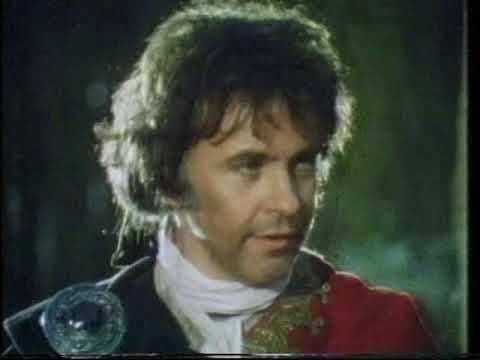
A restless dream of youth and escape, where longing moves faster than certainty and freedom feels just within reach
Released in 1973 as part of the album All the Fun of the Fair, “Falling Angels Riding” stands as one of the most revealing and emotionally charged recordings in David Essex’s early career. Unlike his major hit singles of the period, this song was not released as a standalone single, and therefore did not enter the official UK or US singles charts at the time of its release. Yet its absence from the charts has never diminished its importance. If anything, it has allowed the song to exist quietly, treasured by those who listened closely rather than casually.
By the early nineteen seventies, David Essex was navigating a complex artistic moment. He was known publicly for his youthful image and dramatic presence, yet his songwriting was already reaching toward something deeper and more unsettled. All the Fun of the Fair, which reached number three on the UK Albums Chart, marked a turning point. It was an album concerned with disillusionment, movement, and the fragile promises made in youth. “Falling Angels Riding” sits near the emotional core of that record, acting as a reflective pause rather than a bold statement.
The song unfolds like a quiet journey rather than a conventional pop narrative. Its imagery suggests motion without destination, people chasing ideals that shimmer briefly before slipping away. The phrase falling angels carries a dual meaning. It suggests innocence lost, but also courage. These are not figures collapsing in defeat, but riding forward, aware of the cost yet unwilling to stand still. In this sense, “Falling Angels Riding” becomes less about failure and more about the risk of living fully, even when certainty is impossible.
Musically, the arrangement is restrained and atmospheric. There is space in the production, allowing the melody to drift rather than press forward. This openness gives David Essex’s voice room to breathe. His vocal delivery is reflective, almost conversational, as if he is thinking aloud rather than performing. There is no attempt to impress with power or flourish. Instead, the emotion comes from understatement, from what is suggested rather than declared.
The song’s emotional weight lies in its recognition that youth often moves faster than wisdom. Dreams are pursued with urgency, sometimes blindly, driven by a belief that time is endless. “Falling Angels Riding” captures that moment when awareness begins to form, when movement continues but innocence has already started to fade. It is not a song of regret. It is a song of understanding. It acknowledges that some losses are unavoidable, and that forward motion itself becomes a form of identity.
Within the wider context of All the Fun of the Fair, this track deepens the album’s central themes. While the title song confronts disillusionment directly, “Falling Angels Riding” explores it more subtly. It listens rather than speaks. It observes rather than judges. This approach reflects David Essex’s growing maturity as a songwriter, one who trusted quiet moments as much as dramatic ones.
Over time, the song has gained recognition among listeners who return to the album not for nostalgia alone, but for its emotional honesty. It feels timeless because it does not belong to a specific trend or sound. Its concerns are internal rather than external. The sense of searching, of moving forward without complete understanding, remains deeply relatable across generations.
Today, “Falling Angels Riding” stands as a reminder that not all meaningful songs announce themselves loudly. Some wait patiently, offering their truth only to those willing to sit with them. In the body of David Essex’s work, it represents a moment of introspection, a turning inward that adds lasting depth to his legacy. It is a song that understands life not as a straight path, but as a series of rides taken with hope, uncertainty, and the quiet courage to continue moving forward.