
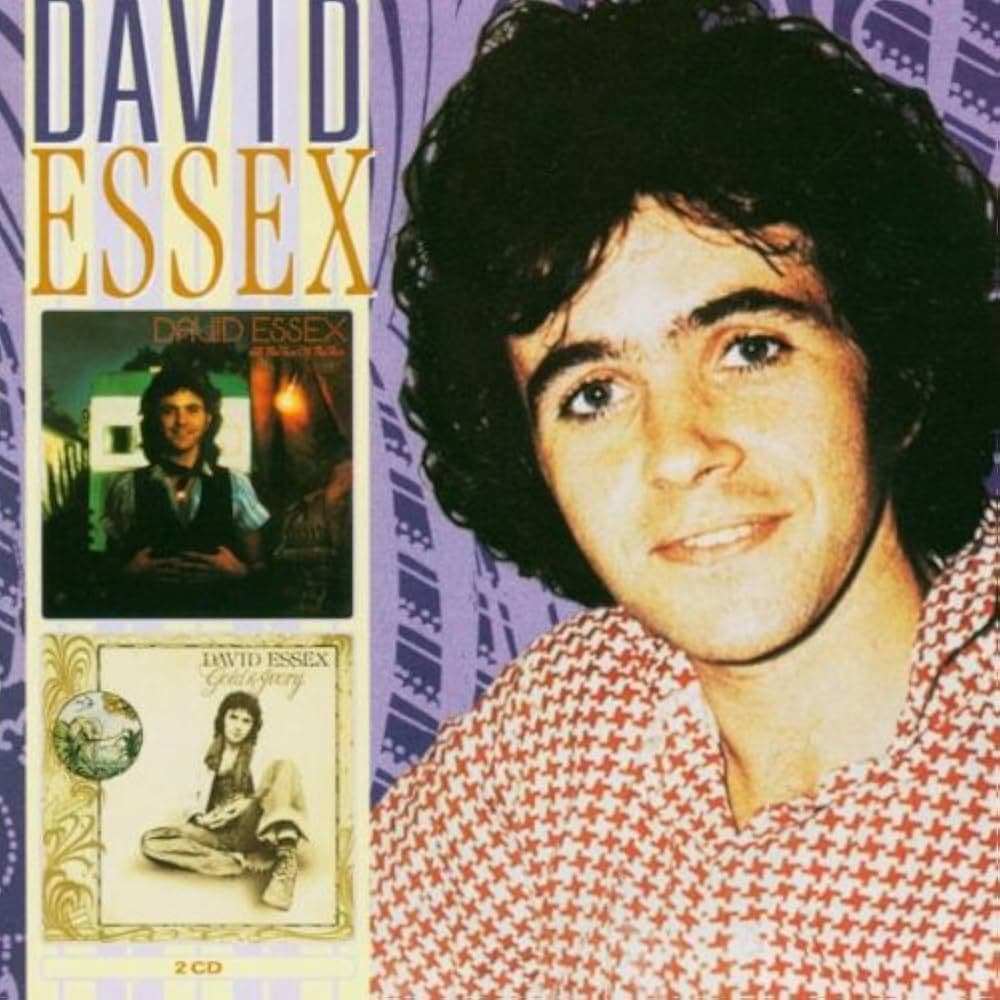
A song of youthful escape and quiet reckoning, where bright lights fade into reflection and memory lingers longer than the night
When David Essex released All The Fun Of The Fair in 1973, it immediately established itself as one of the most emotionally resonant British singles of the decade. The song rose quickly on the UK Singles Chart, peaking at No. 2, and became a defining moment in Essex’s career, confirming him not merely as a pop idol of the moment but as a songwriter capable of depth, atmosphere, and emotional restraint. Released alongside the album All The Fun Of The Fair, the song captured a very particular mood of the early nineteen seventies, a time when optimism and uncertainty lived side by side, and popular music began to look inward rather than outward.
At its core, All The Fun Of The Fair is a song about illusion and aftermath. The title suggests brightness, noise, and celebration, yet the song itself unfolds slowly, almost cautiously. Rather than describing the thrill of the fairground, it reflects on what remains once the lights are turned off and the crowds drift away. David Essex wrote the song himself, and that personal authorship is felt in every line. There is a sense that the narrator has lived through the experience he is describing and is now standing at a distance from it, trying to understand what it meant and what it cost.
Musically, the song is built on patience. The opening is sparse and atmospheric, drawing the listener into a reflective space before the melody fully reveals itself. Strings swell gently, never dramatically, creating a feeling of emotional suspension. Essex’s vocal delivery is restrained and thoughtful, carrying a slightly hushed tone that suggests confession rather than performance. He does not rush the song. He allows it to breathe, trusting that the listener will follow him into its quiet corners.
The meaning of All The Fun Of The Fair lies in its contrast between appearance and reality. The fair becomes a metaphor for youthful freedom, ambition, and desire, a place where everything seems possible and nothing appears permanent. Yet the song gently reminds us that such moments are fleeting. What follows is not despair, but awareness. There is no bitterness in Essex’s voice, only a calm recognition that experiences once cherished can also leave a sense of emptiness when they pass. That emotional maturity is what sets the song apart from many of its contemporaries.
Upon its release, the song resonated deeply with listeners across the United Kingdom, not because it promised escape, but because it acknowledged consequence. Its success on the charts reflected a broader shift in popular taste, toward songs that valued storytelling and emotional subtlety over immediacy. While All The Fun Of The Fair did not achieve the same chart impact in the United States, its influence within British pop culture has remained strong, often cited as one of David Essex’s most important and enduring works.
The album All The Fun Of The Fair further expanded on these themes, presenting a collection of songs that explored fame, youth, and self awareness. Within that context, the title track stands as the emotional centerpiece, the moment where reflection overtakes motion. It marked a turning point for Essex, moving him away from purely teen oriented appeal and toward a more lasting artistic identity.
Listening to All The Fun Of The Fair today feels like stepping into a familiar memory that has softened with time. The song does not demand nostalgia, yet it invites it naturally. It understands that joy and regret often coexist, that moments once filled with noise eventually become quiet recollections. In the hands of David Essex, this understanding becomes music that lingers long after the final note fades.
More than five decades later, All The Fun Of The Fair remains a reminder that the most powerful songs are often those that speak gently, offering reflection rather than answers. It stands as a testament to a period in popular music when emotion was allowed to unfold slowly, and when a simple melody could carry the weight of memory, experience, and the quiet wisdom of having been there and lived it.