
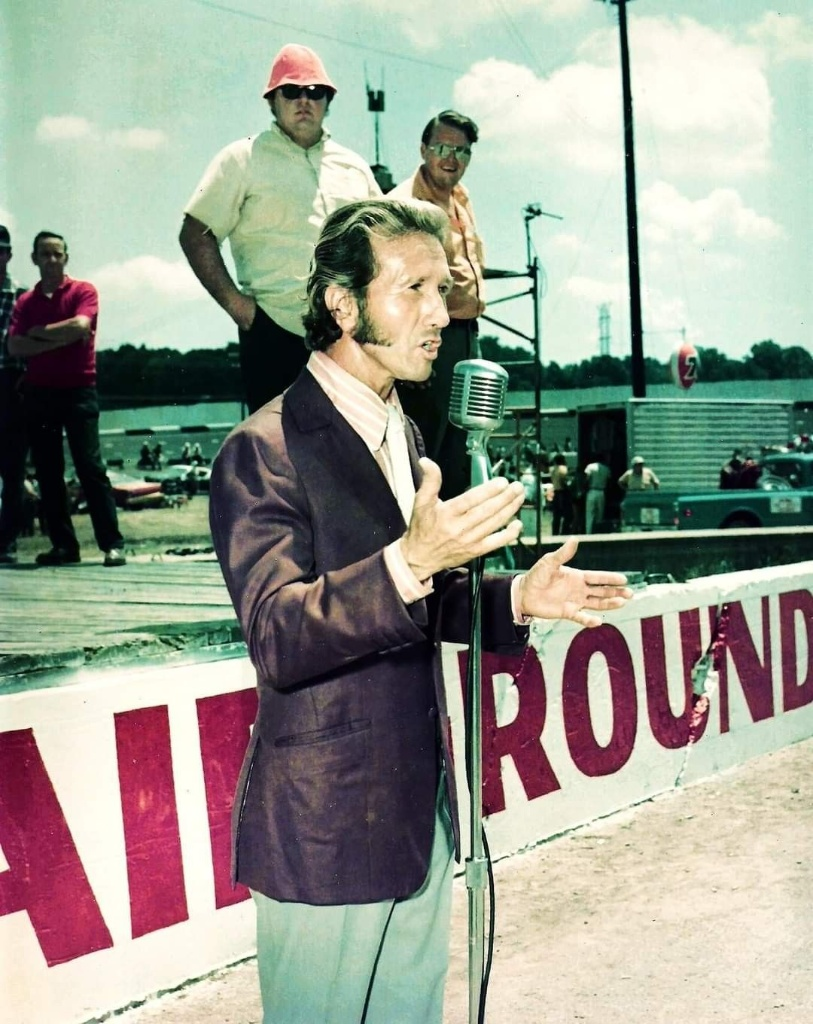
Marty Robbins – I Couldn’t Keep From Crying: The Raw Birth of a Legend
In the early 1950s, long before he was the “Gunfighter” or the “Drifter,” Marty Robbins was a young man from Arizona with a voice that could pierce the very heart of the desert. “I Couldn’t Keep From Crying,” released in 1952, was one of his earliest forays into the Billboard Country charts, peaking at Number 5. This wasn’t just a hit song; it was the world’s introduction to the “Marty Robbins sound”—a blend of high-lonesome vulnerability and polished sincerity. It is a song for anyone who has ever had to face the world with a broken heart and found that, despite their best efforts, the mask finally slipped.
To hear “I Couldn’t Keep From Crying” is to witness the “Teardrop in the Voice” in its most potent form. The story behind this recording is one of unfiltered emotion. Written by Marty himself, the song was recorded at a time when country music was transitioning from the rough-and-tumble honky-tonk of Hank Williams to the smoother “Nashville Sound” that Marty would eventually help pioneer. Yet, in this track, there is an edge of real, unvarnished pain. When Marty recorded this, he wasn’t just a singer; he was a man exorcising the ghosts of a failed romance, letting his voice crack just enough to let the listener in.
The story within the lyrics is a humble confession of emotional defeat. The narrator describes a chance encounter with a former love. He tries to be the “bigger man,” to offer a polite smile and a steady hand, but the weight of the past is too great. It is a narrative of the breaking point. He watches her walk away, and in that moment of finality, the stoicism of the “cowboy” crumbles. He admits to the world—and to himself—that he simply couldn’t keep from crying. It is the story of the moment we realize that some loves don’t just fade; they leave a permanent hollow that aches when touched.
The profound meaning of this early masterpiece strikes a deep, resonant chord with a mature audience because it honors the courage of vulnerability:
- The Honesty of Grief: It acknowledges that there is no shame in a man’s tears. For those of us who grew up in an era where “men didn’t cry,” Marty’s open admission of sorrow was a revolutionary act of emotional honesty.
- The “First Love” Nostalgia: The song captures that specific, stinging pain of a youthful heartbreak—the kind that feels like the end of the world. It reflects a time in our lives when every emotion was amplified and every goodbye felt like a mountain falling.
- The Architectural Foundation of a Career: This song set the stage for everything that followed. It established Marty as the “poet of the lonely,” the man who could take the most private of sorrows and turn them into a melody that a whole nation could hum.
Marty Robbins delivers this performance with a voice that is younger, higher, and slightly more “country” than the smooth crooner he would become, but the “soul” is already fully formed. He hits the high notes with a piercing, lonesome quality that echoes like a coyote’s cry across a canyon. The arrangement is quintessential early-50s Hillbilly Shakespeare—featuring a weeping fiddle, a bright, rhythmic steel guitar, and a steady “thump” of the upright bass that feels like a heavy heart beating in a quiet room. For our generation, “I Couldn’t Keep From Crying” is a beautiful reminder of where the legend began; it reminds us that before the gold records and the fame, there was just a man and his truth.
 Music Legend