
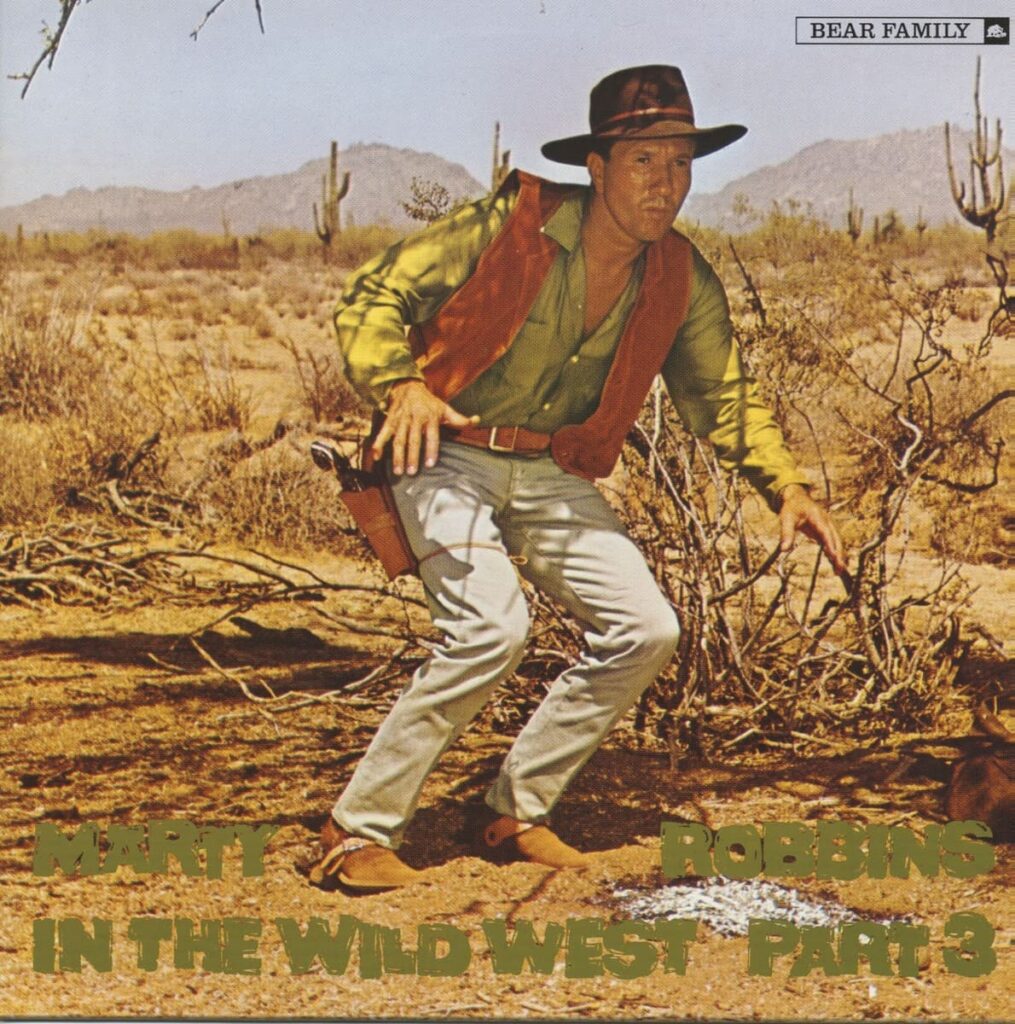
Marty Robbins – Pretty Paper: A Velvet-Toned Reflection on the Hidden Sorrows of the Season
For those of us who cherish the traditions of the holidays, certain melodies possess the power to stop time. In 1964, Marty Robbins released his rendition of “Pretty Paper” as part of his beloved album “Christmas with Marty Robbins.” While the song has been touched by many greats, Marty’s version brought a unique, high-desert elegance to the tale, helping the album become a perennial favorite on the Billboard Christmas charts for years to come. It arrived during an era when the holidays were as much about quiet reflection as they were about celebration—a song that reminded us to look past the bright lights and the bustling crowds to see the humanity waiting in the shadows.
To listen to “Pretty Paper” today is to experience the “Country Gentleman” at his most compassionate. Against a backdrop of crystalline bells and the soft hum of a Nashville choir, Marty’s voice—smooth as fresh snowfall—tells the story of a lonely street vendor that many of us might have passed without a second thought. It evokes memories of downtown shopping districts in the sixties, the smell of roasting chestnuts, and the bittersweet realization that for some, the holidays are the loneliest time of all. It is a song for the empathetic heart, for those who understand that the most precious gifts aren’t the ones wrapped in “pretty paper,” but the moments of kindness we share with a stranger.
The Story Behind the Blue Ribbon and the Pencil
The history of “Pretty Paper” is a fascinating piece of country music lore. Written by a young Willie Nelson before he became the “Red-Headed Stranger,” the song was inspired by a real-life man Willie saw selling paper and pencils outside a department store in Fort Worth, Texas. When Marty Robbins recorded it at Columbia Records, he stripped away the honky-tonk edges and replaced them with a lush, almost operatic warmth. Recorded during the height of the Nashville Sound, the arrangement was designed to feel timeless. Marty, who had a deep-seated love for the underdog, connected with the lyrics on a visceral level, delivering a performance that felt more like a gentle plea for awareness than a standard holiday hit.
A Reflection on the Unseen Neighbors
The meaning of the song strikes a resonant chord for those of us who have seen many winters pass. It serves as a poignant reminder that while we wrap our lives in “pretty paper and silver ribbons”—symbolizing our successes, our busy schedules, and our celebrations—there is often a world of silent struggle just outside our door. For the mature reader, the song is a call to “look around you,” echoing the sentiment of the great Don Williams. It speaks to the dignity of the forgotten and the profound importance of a simple acknowledgement. It reminds us that the true spirit of the season is found in the connection between two souls, regardless of their station in life.
As we revisit this track, it stirs a powerful, tender nostalgia for the Christmases of our youth—the slow pace, the handwritten cards, and the sense of community that defined our neighborhoods. It reminds us that even in our later years, our capacity for compassion is our greatest treasure. Marty Robbins didn’t just sing a Christmas song; he gave us a moral compass wrapped in a melody. “Pretty Paper” remains a timeless invitation to open our eyes and our hearts, ensuring that no one has to stand “all alone” in the cold of the season.
 Music Legend