
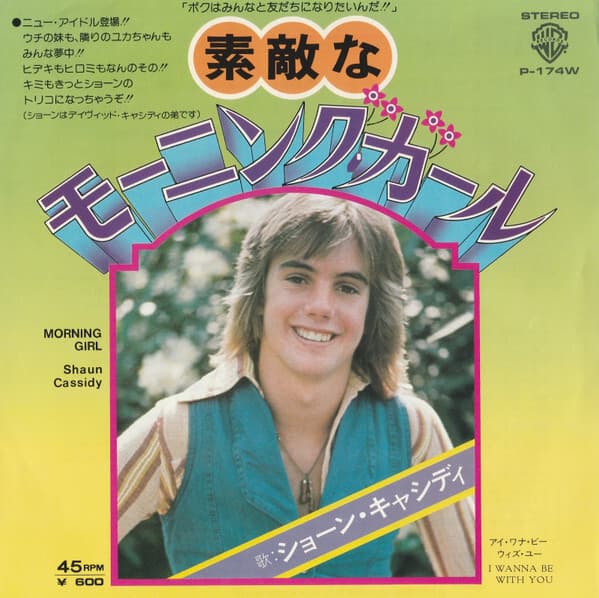
A gentle farewell wrapped in melody, where youth pauses to listen to the sound of endings and promises left unspoken
When Shaun Cassidy released The Last Song in 1977, it felt like a quiet breath taken at the edge of change. Unlike the bright, youthful energy that defined much of his early success, this song arrived with a softer presence, inviting reflection rather than excitement. The Last Song reached No. 12 on the Billboard Hot 100 and climbed all the way to No. 1 on the Adult Contemporary chart, a clear signal that its emotional resonance reached far beyond fleeting pop enthusiasm. The song appeared on Cassidy’s second album, Born Late, a record that subtly marked his transition from teen idol to a more introspective recording artist.
At the height of his popularity, Shaun Cassidy was widely recognized for his charm and accessible sound. Yet The Last Song revealed another side of his musical identity. Written by Alan Tarney, the song carried a universal sense of farewell that transcended age or circumstance. It did not speak loudly of heartbreak, nor did it dramatize separation. Instead, it approached its theme with calm acceptance, as if acknowledging that some moments in life end not with confrontation, but with understanding.
From its opening lines, The Last Song establishes an atmosphere of quiet reflection. The narrator is aware that something meaningful is ending, yet there is no bitterness in that realization. The lyrics suggest an emotional maturity uncommon in many pop recordings of the era, focusing on gratitude for what was shared rather than regret for what cannot continue. This balance between tenderness and restraint gave the song its enduring appeal.
Musically, the arrangement is deliberately understated. Soft piano lines, gentle strings, and a measured rhythm allow the song to unfold at its own pace. There are no sudden crescendos or dramatic flourishes. Everything serves the emotional core. Shaun Cassidy’s vocal performance is particularly striking. He sings with clarity and control, never forcing emotion, allowing the words to carry their natural weight. His voice sounds reflective, almost conversational, as if speaking directly to someone who already understands.
The success of The Last Song on the Adult Contemporary chart was especially significant. It demonstrated that Cassidy’s music could connect deeply with listeners seeking emotional nuance rather than youthful spectacle. This chart achievement helped reposition him as an artist capable of growth, not confined to the expectations that had initially shaped his career.
The album Born Late itself reflected this shift. While it included upbeat moments, The Last Song stood out as its emotional centerpiece. It suggested a willingness to explore themes of change, distance, and emotional closure. In hindsight, the song feels almost prophetic, capturing a moment when Cassidy was beginning to step away from the intensity of pop stardom toward a broader artistic path that would later include acting, writing, and stage work.
What makes The Last Song especially powerful is its universality. It does not specify the nature of the farewell. It could be the end of a relationship, the closing of a chapter, or the quiet realization that time has carried people in different directions. That openness allows the listener to bring their own memories into the song, making each experience of it deeply personal.
Decades later, The Last Song remains one of Shaun Cassidy’s most respected recordings. It is often remembered not for chart dominance alone, but for its emotional honesty. It stands as a reminder that endings do not always arrive with noise or conflict. Sometimes they come gently, accompanied by a melody that lingers long after the final note fades.
In the broader landscape of late 1970s pop music, The Last Song holds a unique place. It bridges the gap between youthful optimism and reflective adulthood, offering a moment of pause in an era often defined by excess. Through restraint, sincerity, and quiet strength, Shaun Cassidy delivered a song that continues to feel timeless, speaking softly to anyone who has ever recognized the beauty and sadness of saying goodbye without regret.