
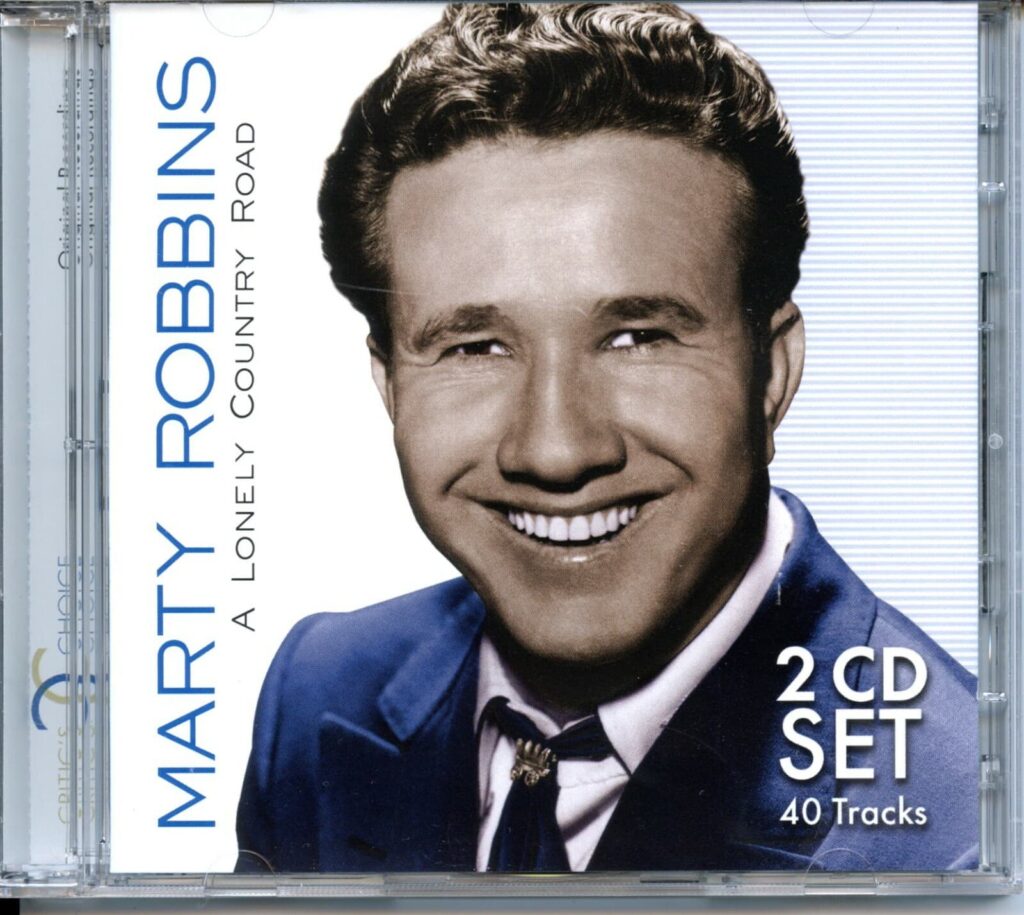
Marty Robbins – Many Tears Ago: A Starlit Voyage Through the Archives of Heartache
In the late summer of 1964, Marty Robbins released the album R.F.D., a project that leaned into the “Rural Free Delivery” spirit of honest, heartfelt storytelling. Among the tracks that shimmered with a specific kind of “midnight” beauty was “Many Tears Ago.” While it didn’t chase the high-velocity fame of his earlier gunfighter sagas, it solidified Marty’s reputation as the “Gentle Balladeer” of the lonely. It is a song for the quiet hours of the night when the house is still and the mind begins to wander back to the loves that were lost in the fog of time.
For the reader who has lived through the long arc of several decades, this song is a profound companion. Marty Robbins, with a voice that possessed the smooth, reassuring texture of a well-worn leather chair, navigates the geography of long-term memory. For the mature listener, “Many Tears Ago” isn’t just a title—it’s a measurement of a life lived. There is a deep, nostalgic resonance in hearing Marty’s crystalline tenor; he doesn’t sing with the raw, fresh agony of a new breakup, but with the settled, respectful melancholy of a man who has learned to live with his ghosts. It reminds us that while the “tears” may have dried, the “ago” never truly disappears.
The story behind the song is a testament to the mid-60s “Nashville Sound” at its most tasteful and restrained. Written by the legendary Winfield Scott (who penned hits for everyone from Elvis to LaVern Baker), the song was a perfect fit for Marty’s sophisticated crossover style. By 1964, Marty was moving with ease between the dusty trails of the West and the polished floors of the pop ballrooms. Recorded under the guidance of producer Don Law, “Many Tears Ago” benefited from a production that felt like a bridge between the two—retaining the emotional honesty of country music while embracing the melodic sweep of a pop standard.
The lyrical meaning of the song lies in the “fading” nature of pain. The narrator looks back on a relationship that ended not yesterday, but in a distant era. For those of us looking back through the lens of our own decades, the song resonates with the way we “curate” our past. When Marty sings about the “nights that have passed” and the “tears that were shed,” his signature vibrato carries a sense of peace rather than protest. He isn’t asking for the love back; he is simply acknowledging the profound impact it had on the man he eventually became. It is a song that honors the “long view” of the heart.
Musically, the track is a hallmark of Mid-Sixties Intimacy. It features:
- The “Ticking” Acoustic Rhythm: A soft, steady beat that suggests the relentless, indifferent passage of time.
- Muted Piano Accents: Providing a “twilight” atmosphere that dances behind Marty’s vocals without ever overshadowing them.
- Marty’s Pristine Delivery: His phrasing is impeccably slow, allowing the listener to feel the weight of every year that has passed since the “tears” first fell.
To listen to this track today is to appreciate the “Quiet Majesty” of Marty Robbins. He reminds us that our heartaches, however old, are part of the architecture of our souls. It is a song that invites us to look back without regret, to recognize the beauty in our own history, and to appreciate the distance we have traveled since those “many tears ago.”
 Music Legend