
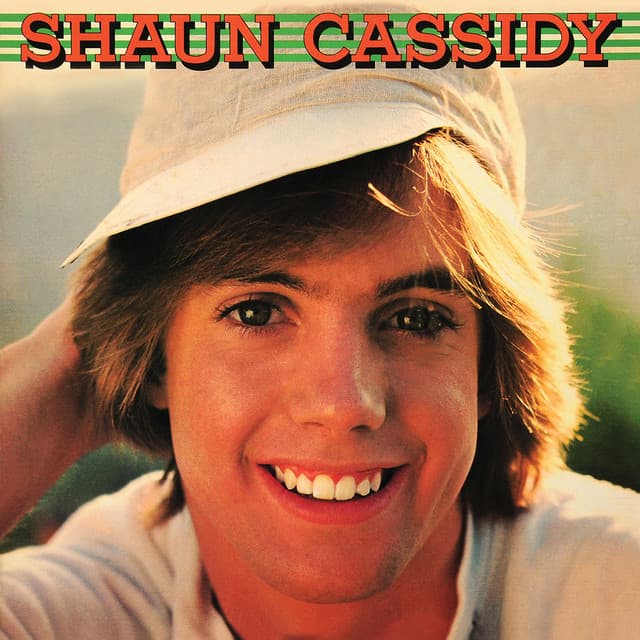
A tender declaration of youthful longing and pop romance that captured a fleeting moment when innocence and desire quietly met on the radio.
When Shaun Cassidy released I Wanna Be With You in early 1977, the song arrived not as a grand statement, but as a soft confession. It was gentle, direct, and emotionally transparent in a way that felt almost disarming. Within weeks, that simplicity carried it to the very top of the charts. In May 1977, I Wanna Be With You reached number one on the Billboard Hot 100, confirming that its quiet sincerity had struck a deep and universal chord. The song was the lead single from Cassidy’s debut album Born Late, an album that would go on to define a very specific emotional climate of the late seventies pop landscape.
At the time, Shaun Cassidy was already a familiar face, known to many through television and teen magazines. Yet this song reframed him. It stripped away the noise of image and celebrity and placed the focus squarely on feeling. I Wanna Be With You is built around restraint rather than spectacle. There is no dramatic tension, no elaborate metaphor. Instead, it offers a plainspoken truth that feels almost handwritten. The desire it expresses is not reckless or desperate. It is patient, hopeful, and deeply human.
Musically, the song sits comfortably in the soft pop tradition that flourished in the mid seventies. Acoustic textures, warm harmonies, and a steady unhurried tempo allow the melody to breathe. Cassidy’s vocal performance is crucial here. He sings without force, letting vulnerability carry the song forward. There is a slight hesitation in his delivery, a sense that each line is being discovered as it is sung. That quality gives the song its emotional credibility. It sounds less like a performance and more like a private thought spoken aloud.
The story behind I Wanna Be With You is closely tied to the cultural moment that produced it. The mid seventies were a time when popular music often leaned toward reflection rather than rebellion. After years of upheaval and loud expression, listeners seemed ready for songs that spoke quietly and honestly about connection. Cassidy’s song fit seamlessly into that mood. It did not challenge the listener. It invited them in. Its success was not driven by novelty but by recognition. Many heard their own unspoken feelings echoed back to them through its lyrics.
The meaning of I Wanna Be With You lies in its emotional economy. It says very little, yet suggests so much. The song is about wanting closeness without demanding it. It acknowledges uncertainty but chooses hope anyway. There is a tenderness in the way it frames desire not as conquest, but as companionship. That distinction matters. It gives the song a lasting emotional weight that goes beyond its era.
Within the context of the album Born Late, the track stands as a defining statement. The album itself explores youth, affection, and emotional openness with a consistent sense of warmth. Yet it is I Wanna Be With You that became its emotional anchor. It established Cassidy not merely as a pop figure, but as a voice capable of conveying genuine feeling. That authenticity is what allowed the song to age gracefully.
Looking back, the enduring appeal of Shaun Cassidy and I Wanna Be With You is rooted in memory rather than fashion. The song carries with it the atmosphere of a particular time when radios played softly in the background and emotions were often felt more deeply than they were spoken. It remains a reminder that sometimes the most powerful statements in music are the simplest ones. A single wish. A quiet hope. And the courage to say, without embellishment, I want to be with you.