
A Tender Late-Night Confession “One More Night Of Your Love” Reveals the Softer, Reflective Side of Shaun Cassidy
In the late 1970s, when pop radio was filled with youthful energy and glittering melodies, Shaun Cassidy stood at the center of a remarkable moment in popular culture. His early hits had already made him a household name, particularly songs like “Da Doo Ron Ron” and “Hey Deanie,” both of which climbed high on the Billboard Hot 100, with “Da Doo Ron Ron” famously reaching No. 1 in 1977. Yet beyond those bright chart-topping singles, Cassidy quietly explored a different musical mood—one that leaned toward reflection, intimacy, and emotional nuance. A beautiful example of that quieter direction can be heard in “One More Night Of Your Love.”
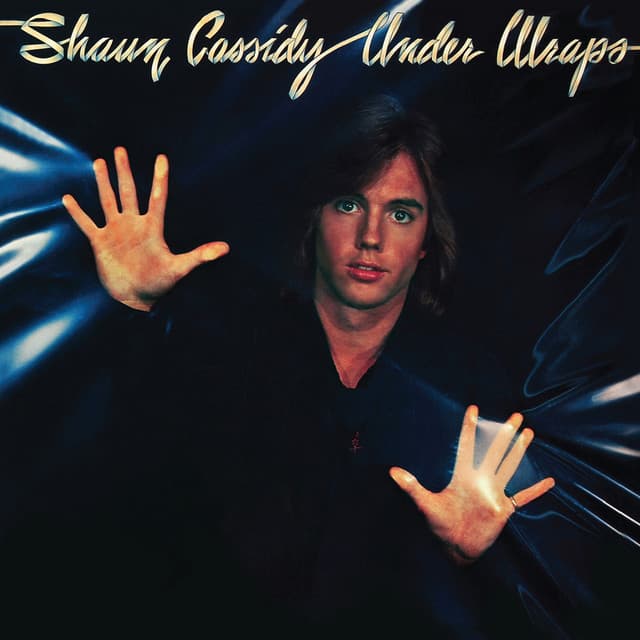
The song appeared on the 1978 album Under Wraps, a record that marked an important transitional moment in Shaun Cassidy’s recording career. While the album itself reached No. 33 on the Billboard 200, it revealed an artist gradually stepping beyond the simple teen-idol formula that had first propelled him to fame. Instead of relying solely on high-energy pop hooks, several songs on the album embraced softer arrangements and more mature emotional themes. “One More Night Of Your Love” fits perfectly into that atmosphere.
From its opening notes, the song carries a sense of late-evening intimacy. The arrangement is gentle, built around warm acoustic textures, understated keyboards, and subtle orchestral touches that drift quietly behind Cassidy’s voice. Rather than competing with the vocal performance, the music creates a calm space where the story of the song can unfold naturally.
Lyrically, “One More Night Of Your Love” captures a moment that feels both simple and deeply human: the longing to hold onto a relationship that may already be slipping away. There is a quiet vulnerability in the words, a recognition that sometimes love exists in fragile moments rather than grand declarations. The narrator does not ask for promises about the future—only the comfort of one more evening together.
This emotional restraint suits Shaun Cassidy’s voice beautifully. Unlike the exuberant tone heard in some of his earlier hits, his delivery here feels more thoughtful, almost conversational. He sings with a softness that suggests reflection rather than urgency. It is the voice of someone quietly trying to understand the shifting emotions within a relationship.
The late 1970s were a fascinating period in pop music. While disco rhythms dominated dance floors and rock bands filled stadiums, there remained a strong appetite for intimate ballads that captured personal moments with sincerity. “One More Night Of Your Love” belongs to that tradition. Its melody moves gently, allowing listeners to absorb the emotional undercurrent without dramatic theatrics.
What makes the song particularly interesting within Shaun Cassidy’s catalog is the way it hints at his evolving artistic identity. Although he was widely celebrated as a pop star during the height of his recording career, Cassidy later transitioned successfully into writing and producing for television and theater. Listening to “One More Night Of Your Love,” one can already hear the seeds of that storyteller’s instinct—the ability to create atmosphere and emotional context rather than relying solely on catchy hooks.
The Under Wraps album itself reflects this exploration. While it still carries elements of polished late-1970s pop production, there is also a subtle maturity in the songwriting choices. Tracks like “One More Night Of Your Love” reveal an artist beginning to look beyond the spotlight, searching for music that feels more personal and introspective.
Over the years, songs like this have become cherished discoveries for listeners who revisit Cassidy’s work decades later. They remind us that behind the bright surface of pop stardom there was always a musician capable of quiet emotional expression.
Listening to “One More Night Of Your Love” today feels a bit like opening a photograph from another era. The melody moves slowly, almost like the last song playing at the end of an evening. Lights grow softer, conversations grow quieter, and there is a sense that the moment—however small—matters deeply.
In that gentle atmosphere, Shaun Cassidy offers something timeless: a reminder that sometimes the most meaningful stories in music are not about dramatic endings, but about the quiet wish for one more night before the world inevitably changes.