
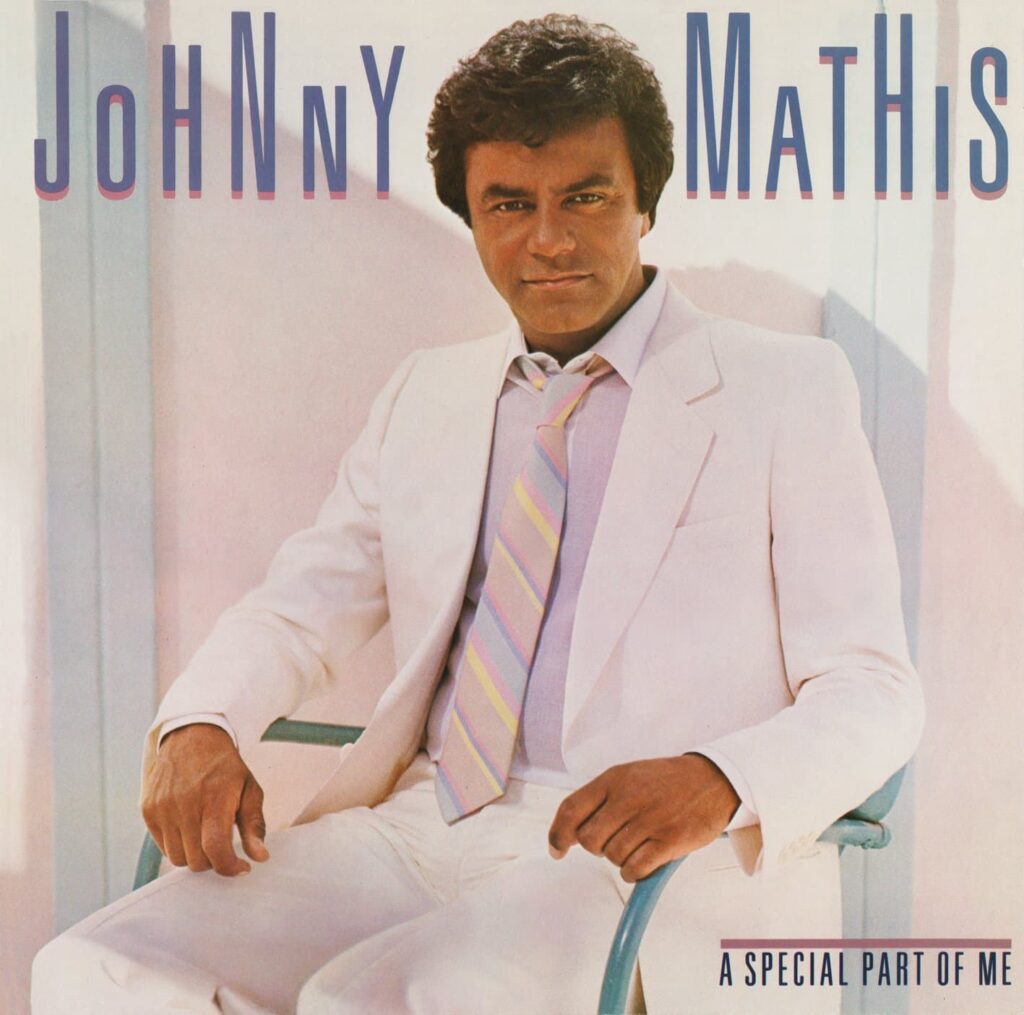
A Song of Quiet Optimism — “The Best Is Yet to Come” Shows the Timeless Elegance of Johnny Mathis
When Johnny Mathis sings “The Best Is Yet to Come,” the message arrives with a gentle confidence that few voices in popular music could deliver. The song itself is a classic of the American songbook, written in 1959 by Cy Coleman and Carolyn Leigh, and first introduced to the world by Tony Bennett. Bennett’s original recording reached No. 30 on the Billboard Hot 100 and climbed to No. 4 on the Adult Contemporary chart, quickly establishing the composition as one of the most enduring standards of the era.
Yet over time, many vocalists have interpreted the song, and among them Johnny Mathis brought a uniquely warm and reflective interpretation. His version highlights not just the melody’s elegance but the deeper emotional promise at the heart of the lyric. In the hands of Mathis, the song becomes more than a stylish jazz standard. It becomes a quiet declaration of hope.
By the time Mathis approached “The Best Is Yet to Come,” he had already secured his place as one of the most beloved voices in American popular music. His career had begun with remarkable success in the late 1950s when recordings such as “Chances Are” and “It’s Not for Me to Say” became major hits in 1957, both reaching the Top 10 on the Billboard Hot 100. The same year, his album Johnny’s Greatest Hits achieved an extraordinary milestone, remaining on the Billboard album chart for 490 weeks, a record that stood for many years.
What distinguished Johnny Mathis from many singers of his generation was the unmistakable quality of his voice. Smooth yet expressive, it carried a sense of intimacy that made even grand orchestral arrangements feel personal. His phrasing was delicate, almost conversational, allowing listeners to feel as though the song was being shared quietly rather than performed for applause.
That quality suits “The Best Is Yet to Come” perfectly. The lyric, written with witty sophistication by Carolyn Leigh, speaks about the promise of the future in the language of romance. The narrator assures a loved one that life’s most beautiful experiences still lie ahead. The famous line, “Wait till you see that sunshine day,” captures the song’s spirit of patient optimism.
Musically, the composition by Cy Coleman blends jazz elegance with Broadway style sophistication. The melody rises and falls with a relaxed swing, supported by rich orchestration that allows the vocalist to move gracefully through each phrase. In Johnny Mathis’s interpretation, the arrangement feels especially warm, with soft strings and subtle brass accents providing a gentle backdrop.
What makes Mathis’s version memorable is the emotional tone he brings to the lyric. Rather than emphasizing playful confidence, he delivers the song with a sense of calm assurance. It sounds less like a boast and more like a thoughtful promise.
Listening to the song today carries a certain nostalgic glow. The era in which Johnny Mathis built his career was a time when the Great American Songbook still shaped popular music, when melody and lyrical storytelling were placed at the center of every recording. Songs like “The Best Is Yet to Come” were not simply entertainment; they were reflections of a hopeful outlook on life.
Even decades later, that message continues to resonate. Life moves through different seasons, filled with both triumphs and challenges. Yet the idea that something beautiful still waits just beyond the horizon remains deeply comforting.
Through his elegant interpretation of “The Best Is Yet to Come,” Johnny Mathis reminds listeners that music can offer more than memory. It can offer reassurance.
And in the quiet confidence of his voice, the song continues to whisper the same timeless promise: the finest moments may still be waiting ahead.