
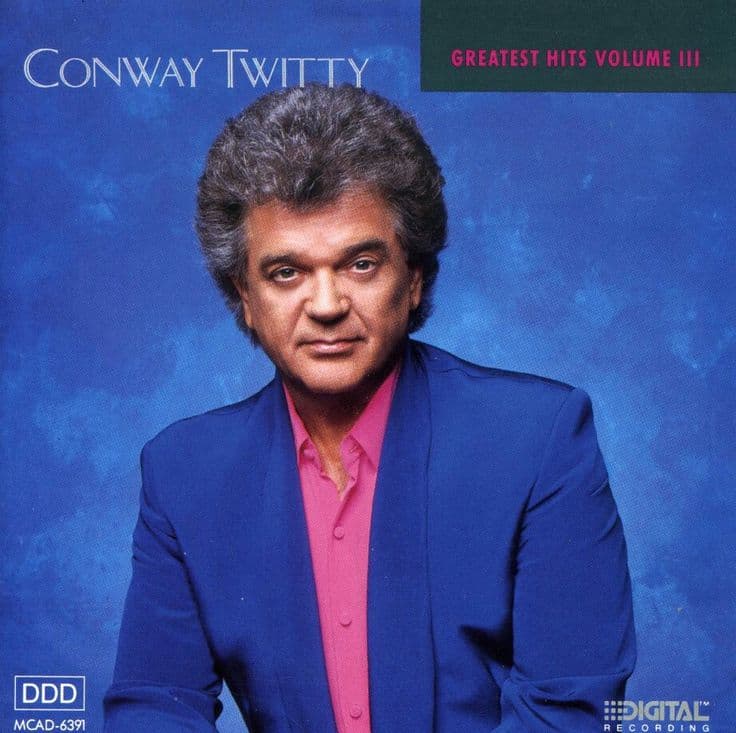
Conway Twitty and “It’s Only Make Believe”: The Volcanic Birth of a Legend and the Definitive Anthem of Unrequited Love
In the late summer of 1958, a song emerged from the airwaves that possessed a gravitational pull unlike anything else in popular music. When Conway Twitty released “It’s Only Make Believe,” he didn’t just top the charts; he created a seismic shift in the vocal landscape of the era. Reaching Number 1 on the Billboard Hot 100 and becoming a global phenomenon, the track transformed a young man from Mississippi into an international superstar. For those of us who remember the crackle of the radio in the late fifties, this wasn’t just a hit—it was an emotional experience. It captured Conway at his most raw and powerful, long before he became the “High Priest of Country Music,” and solidified his place as one of the most versatile stylists in American history.
The “story” behind “It’s Only Make Believe” is a masterclass in dramatic tension and vocal endurance. Co-written by Conway himself (under his real name, Harold Jenkins) and Jack Nance between sets at a nightclub in Ontario, the song was originally intended as a bluesy, rockabilly-flavored track. However, in the MGM Records studio, it evolved into something far more operatic. The song begins with a low, brooding intimacy—a “velvet” growl that speaks of a private, painful secret—before erupting into a soaring, gut-wrenching crescendo. Conway’s ability to climb from a whisper to a thunderous plea for love was so technically perfect that many listeners at the time famously mistook him for Elvis Presley. Yet, it was undeniably Conway’s own grit and soul that made the “make believe” feel so heartbreakingly real.
For the sophisticated listener who has spent a lifetime observing the evolution of the “Nashville Sound” and the rock-and-roll revolution, hearing this track today is a visceral journey back to a pivotal moment in history. It evokes memories of high school gymnasiums, the smell of rain on hot asphalt, and the sheer, overwhelming weight of a first heartbreak. The lyrics—”My only prayer will be / Someday you’ll care for me”—speak to the “qualified” reader who understands that some of life’s most profound battles are fought within the silence of our own hearts. For those of us in our silver years, the song is a mirror of our own resilience. It reminds us of a time when the “Gentle Giant” of a baritone was a young man proving that a simple melody could carry the weight of the world.
The meaning of “It’s Only Make Believe” lies in its unapologetic vulnerability. Conway Twitty possessed the unique, almost magical gift of being able to make the listener feel like a confidant to his deepest sorrows. He didn’t just sing about loneliness; he inhabited it. As we reflect on this masterpiece today, through the lens of our own decades of life, we see it as more than just a 1958 chart-topper; it is a testament to the enduring power of the human spirit to find beauty in the midst of unfulfilled longing. The High Priest may have eventually traded his rock-and-roll pompadour for the silver-maned dignity of his country years, but in the soaring, defiant notes of this song, he remains eternally youthful, eternally passionate, and eternally our companion on the road of life.
 Music Legend