
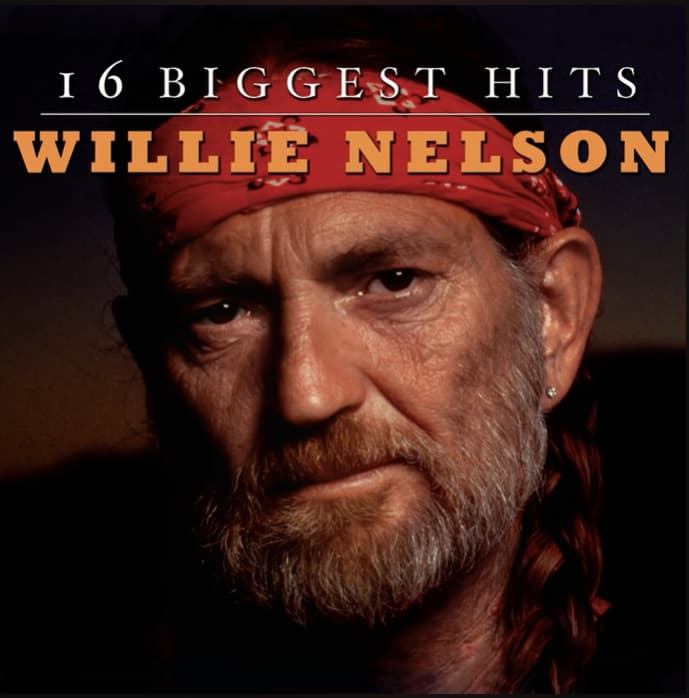
Willie Nelson – “City of New Orleans”: The Rolling, “Velvet” Rhythm of the Iron Rail and the Master of the Traveling Song
In the golden, late-summer air of 1984, a song that had already become an American standard found its definitive “Outlaw” voice. When Willie Nelson released his rendition of Steve Goodman’s masterpiece, “City of New Orleans,” he didn’t just record a cover; he captured the very soul of the American passenger train. Reaching Number 1 on the Billboard Hot Country Songs chart, the track served as the centerpiece of his album of the same name. For those of us who remember the mid-eighties—a time when the “High-Fidelity” sounds of the Columbia Records era were blending the rustic with the refined—Willie’s version was a rhythmic revelation. It was the “Gentle Giant” of the guitar, Trigger, meeting the “Master Storyteller” of the rails in a perfect, melodic embrace.
The “story” behind “City of New Orleans” is a masterclass in cinematic songwriting. Originally made famous by Arlo Guthrie in 1972, the song is a “mini-movie” that follows the Illinois Central train on its southward journey from Chicago to New Orleans. Willie’s delivery is a study in “high-level” vocal restraint; he uses his signature behind-the-beat phrasing to mimic the steady, clacking rhythm of the wheels on the track. His voice—a blend of road-worn grit and “velvet” sincerity—brings a profound sense of lived-in wisdom to lyrics like “Good morning, America, how are you?” It was an era where Willie was successfully bridging the gap between his “Outlaw” roots and his status as a sophisticated elder statesman of American music, proving that he could inhabit any narrative with total, soulful authority.
For the sophisticated listener who has navigated the “highways and railways” of life and seen the decades turn from the analog warmth of the seventies to the digital pace of today, hearing Willie sing “City of New Orleans” is a deeply evocative experience. It brings back memories of family road trips, the smell of diesel and rain, and the realization that the world was once connected by these iron veins. The lyrics speak to a universal human nostalgia for a vanishing way of life—the “disappearing railroad blues” that many of us in our silver years have witnessed firsthand. For a “qualified” reader who has seen the seasons of life turn and perhaps watched the “bright lights” of the city fade into the distance from a train window, this song is a profound mirror of our own resilience and the quiet dignity of the journey.
The meaning of “City of New Orleans” lies in its unapologetic celebration of the American spirit. Willie Nelson possessed the unique, almost magical gift of being able to make a song feel like a conversation with an old friend. He didn’t just sing about the “train they call the City of New Orleans”; he made the listener feel like a passenger on it, sharing a card game in the club car while the Mississippi darkness rolled by. As we reflect on this 1984 masterpiece today, through the lens of our own decades of experience, we see it as more than just a chart-topper; it is a testament to the enduring power of the narrative song to preserve our history. The Master Storyteller may still be on the road, but in the rolling, rhythmic notes of this song, he remains our eternal conductor through the heart of the country.
 Music Legend