
How An Old Loretta Lynn Story Found New Life Through Jack White And Became One Of The Most Unforgettable Duets Of Her Later Career
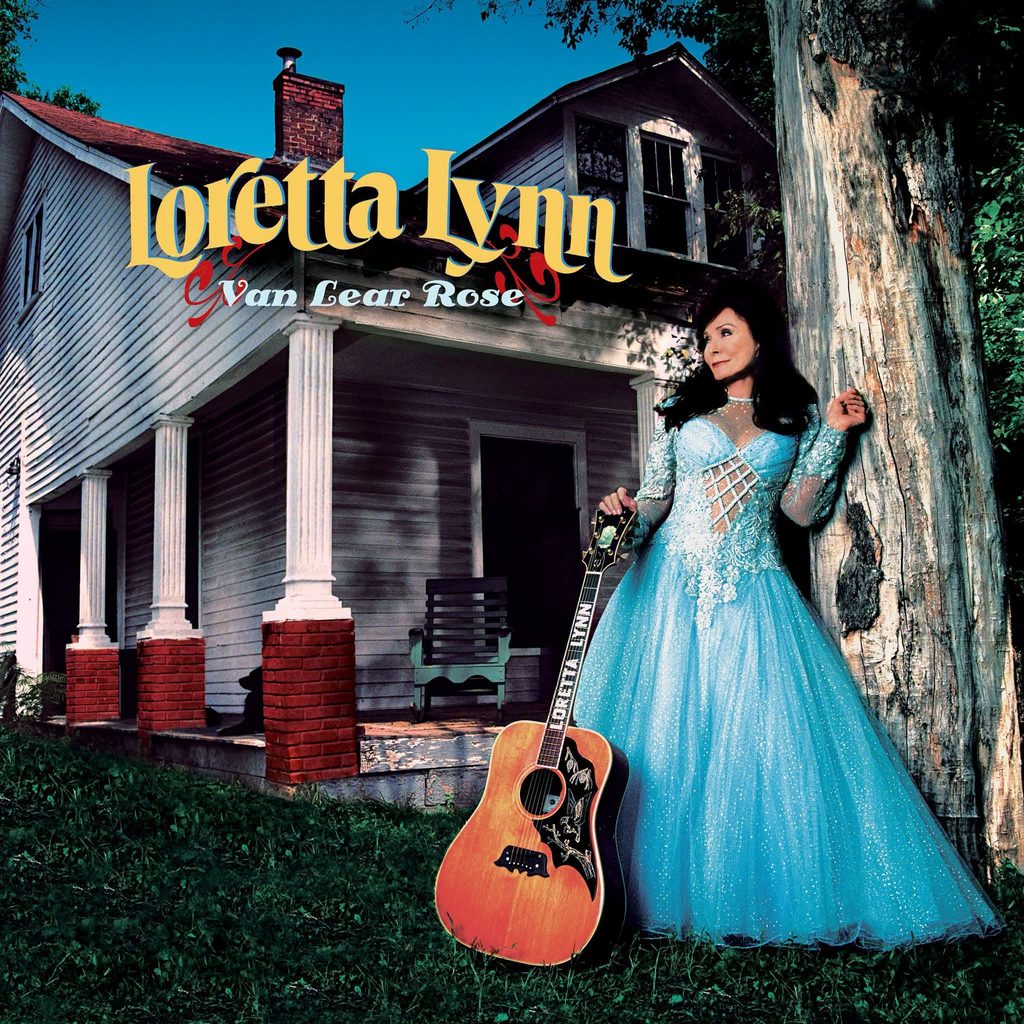
In 2004, something extraordinary happened in country music. Loretta Lynn, one of the genre’s most important and uncompromising voices, walked into the studio with Jack White, the Detroit rock musician best known at the time as one half of The White Stripes. On paper, the pairing looked almost improbable. Lynn represented decades of traditional country music, Appalachian storytelling and songs drawn from the realities of marriage, family, poverty and womanhood. White came from the rawer world of garage rock and blues. Yet instead of trying to make Loretta sound like a rock singer, White understood something much more important: he needed to make the world around her sound alive again. The result was Van Lear Rose, released on April 27, 2004, with White serving as producer. The album became one of the most acclaimed records of Lynn’s career, reaching No. 2 on Billboard’s Top Country Albums chart and No. 24 on the Billboard 200.
At the center of that unlikely partnership was “Portland, Oregon,” a song Lynn had written years before the album was ever imagined. According to the story surrounding the song, Lynn had kept her handwritten compositions, and when Jack White visited her home, he came across the old song among her papers. He recognized something in it immediately. The song was rooted in a real episode from Lynn’s life, involving a playful attempt to make her husband, Mooney Lynn, jealous. The setting was a hotel in Portland, Oregon, and the story eventually became a wonderfully loose, slightly tipsy country narrative filled with sloe gin fizz, attraction and the consequences of one night getting carried away. Lynn had written it long before she recorded it, which gives the finished performance an unusual quality. It feels less like a newly invented story than an old memory finally being allowed to step into the light.
When Lynn and White recorded “Portland, Oregon” in January 2004, the song suddenly acquired a new energy. White did not try to polish away the rough edges of Lynn’s voice. Instead, his production surrounded her with a bluesy, guitar driven sound that gave the song a mischievous tension without taking away its country soul. White also became part of the story himself, singing opposite Lynn. Their voices could hardly have been more different, and that was precisely what made the recording work. Loretta sounded seasoned, amused and completely in command of the story she was telling. White sounded younger, restless and fascinated by the woman on the other side of the microphone. The contrast created a strange little piece of musical theater, with two generations meeting inside a barroom tale. American Songwriter later described the recording as a bluesy romp, highlighting the combination of White’s rock sensibility with Lynn’s unmistakable country presence.
The song became the first single from Van Lear Rose, released to country and Triple A radio on May 3, 2004. But its importance went far beyond radio play. At the 47th Annual Grammy Awards in 2005, “Portland, Oregon” won Best Country Collaboration with Vocals, while Van Lear Rose itself won Best Country Album, giving Lynn her first solo Grammy in that category. For an artist who had already spent more than four decades making records, the recognition felt almost like a second arrival. She was not being celebrated merely for her history. She had made a contemporary album that could stand beside the work of much younger artists, and Jack White’s role was crucial in creating that bridge between generations.
There is something especially moving about “Portland, Oregon” when heard in the context of Loretta Lynn’s entire career. She had spent decades writing about the complicated realities of women’s lives, often refusing to make them prettier or more respectable than they really were. Here, late in her career, she was still telling a story with the same directness and humor. Jack White did not turn Loretta Lynn into something fashionable. Instead, he helped reveal how modern her songwriting had always been. The song’s world of late night drinks, flirtation and blurred judgment feels intimate because Lynn sings it as someone who has lived long enough to understand both the comedy and the consequences.
And perhaps that is why the unlikely partnership between Loretta Lynn and Jack White remains so memorable. One artist carried the memory of Appalachian country music into the modern era; the other came from a generation determined to tear down the walls between blues, rock and everything that came before. Together, they found common ground in an old song about one unforgettable night in Oregon. “Portland, Oregon” was not simply a duet between two very different musicians. It was a meeting between generations, between old stories and new sounds, and between the Loretta Lynn the world already knew and the Loretta Lynn that Jack White helped a new generation discover.