
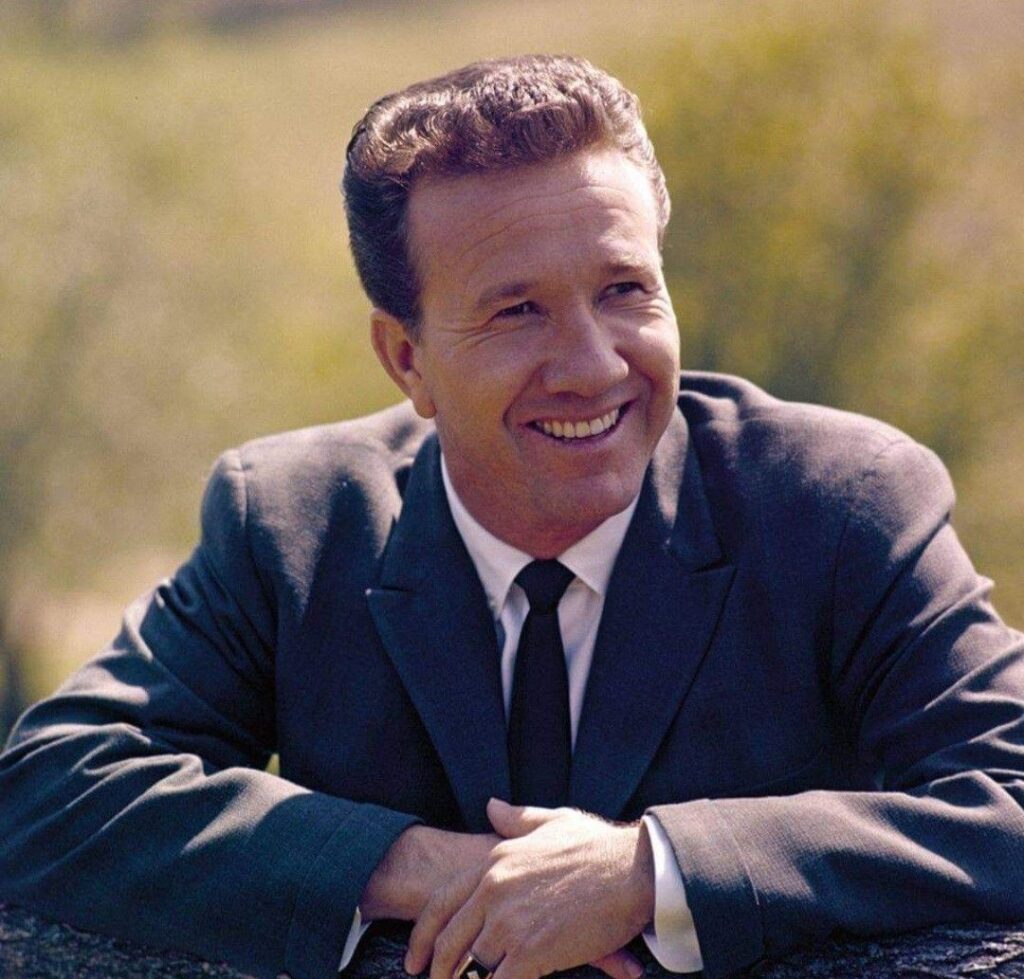
Marty Robbins – Camelia: The Fragrant Tragedy of a Fading Border Love
In the vast and varied tapestry of Marty Robbins’ songbook, the ballads set along the U.S.-Mexico border often stand out for their dramatic sweep and tragic romanticism. “Camelia,” a poignant track written by Robbins himself, is a delicate yet heartbreaking entry into this canon. This song was featured on his 1974 album, Marty Robbins, an album that demonstrated his continued mastery of multiple genres, from traditional Country to Latin-flavored narratives. Unlike some of his massive chart hits, “Camelia” was not a major single and therefore did not secure a high, formal position on the Billboard charts, but it holds a special place for listeners who appreciate the depth of his songwriting during this middle period of his career.
The name Camelia itself, a beautiful flowering shrub, immediately sets the tone for the song: a story of delicate, yet short-lived, beauty. The narrative is a classic Robbins scenario: a relationship doomed by circumstance and the very nature of border life. The lyrics describe a beautiful woman, perhaps a seńorita from a Mexican town, whose love is as intoxicating and potentially fleeting as the flower she is named after. The singer reflects on the intensity of their time together, a passion that burned brightly but was always tinged with the sadness of knowing it couldn’t last.
The meaning of the song is rooted in the melancholy acceptance of ephemeral love. It captures the bittersweet truth that some of the most profound connections are also the most temporary, often blooming beautifully only to wither quickly, like the flower. The recurring image of the Camelia flower serves as a powerful metaphor for this brief, exquisite romance that leaves a lingering, fragrant memory long after the relationship itself has died. The geographic setting—the hot, dusty, romantic, and often dangerous border region—adds a layer of fatalism, suggesting that their love was always under pressure from forces larger than themselves.
Marty Robbins’ delivery of this song is masterfully restrained. By 1974, his voice had taken on a richer, more mature texture, lending incredible sincerity to the reflective tone of the lyrics. He sings with a quiet resignation, less the frantic energy of his early Honky-Tonk days and more the thoughtful contemplation of a man who has loved and lost many times before. The musical arrangement often features those signature Spanish guitar flourishes and a gentle rhythm that evokes the warm, moonlit nights of the border—a sound that perfectly complements the wistful sorrow of the narrative.
For the older listener, “Camelia” is a reflective piece that speaks to the memories of youthful, passionate loves that were never meant to be permanent. It reminds us of the beautiful, brief encounters that leave an indelible mark on the soul, a fragrant memory that can be revisited long after the reality has faded. It’s a quiet testament to the enduring human capacity to find immense beauty in even the most tragic and temporary of loves.
 Music Legend