
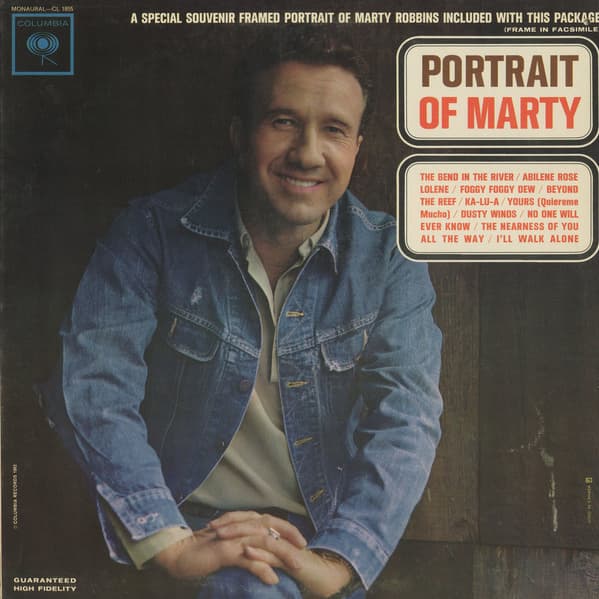
Marty Robbins – Silence And Tears: The Unspoken Weight of Heartbreak
There are few artists who could move effortlessly between the thundering drama of a gunfight and the fragile quiet of a broken heart quite like Marty Robbins. While many of his hits feature bold, explicit statements of love or loss, “Silence And Tears” works in the delicate territory of emotional understatement. This beautiful, sorrowful track was written by Tompall Glaser (of the legendary Glaser Brothers), but in Robbins’ hands, it becomes a deeply personal confession. Though it didn’t achieve the massive chart fame of his signature songs, for the discerning listener who appreciated the sheer quality of his ballads, this song is a true gem. It remained unreleased in its time, eventually seeing the light of day much later on compilation albums like Lost and Found, making it a quiet discovery for fans rather than a chart-topping moment.
The lack of a formal chart position upon its initial recording does nothing to diminish the profound meaning of “Silence And Tears.” The song speaks to the most common, yet most difficult, form of grief: the one you endure in isolation. It describes a quiet suffering that takes place long after the dramatic breakup has occurred and the public show has ended. The singer is left not with shouting or pleading, but with two things only: silence and tears. This simplicity is devastating. The lyrics paint the picture of a man surrounded by the objects of a former life—the telephone that doesn’t ring, the silent clock, the empty house—all serving as cruel reminders of the vibrant noise of love that is now gone.
The true genius of the song is in its title. The silence represents the outside world’s ignorance of his pain, the final, empty quiet of the relationship, and his own inability to speak of his sorrow. The tears are the hidden, private outlet for that immense pressure. For those who are older, who have learned the hard-won lesson of carrying one’s burden with dignity, this song resonates powerfully. It’s the soundtrack to the deep, reflective moments when you realize that some pains simply must be borne alone, away from the counsel or comfort of friends.
Marty Robbins’ interpretation is flawlessly controlled. He doesn’t belt the sorrow; he delivers it with a measured, almost weary tone that suggests the heartache is not new, but a permanent, heavy fixture in his life. His voice here is less the energetic young Country star and more the contemplative balladeer, allowing the elegant simplicity of Glaser’s lyrics to carry the emotional weight. The arrangement is typically spare, focusing the ear entirely on the vocal performance and the melancholy melody, often featuring a subtle use of strings or a weeping steel guitar that mimics the very tears he sings about.
Listening to “Silence And Tears” today is a rich, nostalgic experience. It is a reminder of the depth and emotional complexity that existed within the Country music of that era, moving beyond simple heartbreak to explore the sophisticated psychology of long-term grief. It is a ballad for the quiet mourners, for those who choose not to rage against their fate but to embrace the difficult truth that some sorrows are best left unsung, save for the faint sound of tears falling in the silence.
 Music Legend