
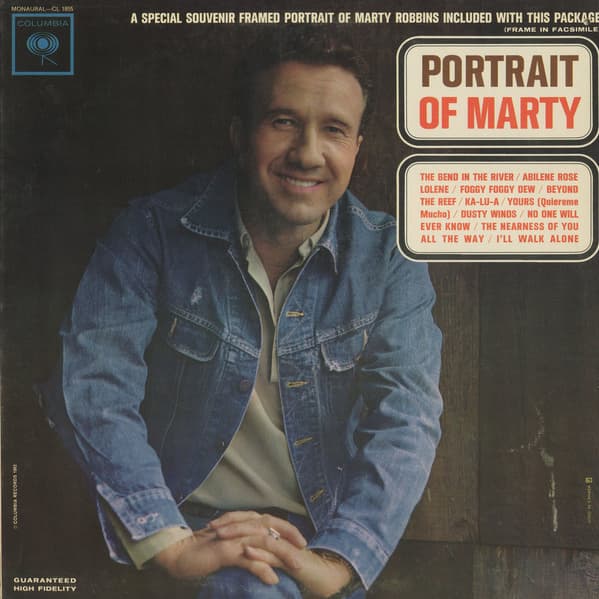
Marty Robbins – Crying Time: A Velvet Harmony of Sorrow for the Wounded Heart
There is a timeless quality to the way Marty Robbins interprets heartbreak—a way he takes the sharp edges of grief and polishes them with a voice as smooth as a desert sunset. When he stepped into the studio to record “Crying Time”, he wasn’t just covering a song; he was reclaiming a standard for the lonely. For those of us who have lived through the long, quiet nights where memories seem to echo in the halls, this rendition is a sanctuary. It is a song that recognizes that some loves don’t end with a shout, but with the slow, inevitable realization that the season for tears has finally arrived.
The Historical Journey and Chart Legacy
Originally penned and recorded by Buck Owens in 1964, “Crying Time” famously became a massive crossover hit for Ray Charles in 1966. However, for the true devotee of the Nashville sound, it is the Marty Robbins version—often performed with a haunting, understated grace on his television programs and live appearances during the late 1960s—that captures the song’s purest country soul.
While Ray Charles took the song to the heights of the Billboard Hot 100, Marty Robbins kept it rooted in the soil of the everyday listener. Though it functioned largely as a beloved staple of his live repertoire rather than a primary charting single for him, it solidified his reputation as “Mr. Teardrop.” His interpretation leaned into the tradition of his 1967 album My Kind of Country, a period where Marty was masterfully blending the raw emotion of honky-tonk with the sophisticated, “Sentimental” crooning style that became his second signature.
The Story Behind the Song
The story of “Crying Time” in the hands of Marty Robbins is a story of versatility. Marty had a rare ability to inhabit any song he touched, whether it was a gunfighter’s ballad or a Hawaiian lilt. By the time he recorded his version, the song was already a recognized classic, but Marty brought a specific “Arizona lonesome” quality to it.
The narrative is deceptively simple: it is the moment of clarity before a breakup. It describes the physical sensation of knowing a relationship is over before the words are even spoken. For the older generation, this song resonates with the wisdom that comes from having navigated the difficult “goodbyes” of life. It speaks to the dignity found in acknowledging the pain rather than running from it. Marty’s delivery—supported by his impeccable phrasing—makes the listener feel as though he is sharing a secret over a glass of whiskey at the end of a long day.
A Reflective Journey into the Soul
To listen to Marty Robbins sing “Crying Time” is to revisit our own pasts. The opening lines, “Oh, it’s crying time again, you’re gonna leave me,” serve as a gentle warning to the heart. There is a deep, nostalgic ache in the way the pedal steel guitar weeps behind his velvet baritone, mirroring the internal weather of a man who has loved deeply and lost just as significantly.
For the listener who appreciates the finer nuances of a vocal performance, Marty provides a masterclass in restraint. He doesn’t need to overstate the sadness; he lets the melody carry the weight. It reminds us of a time when music was an honest reflection of the human condition—unfiltered, sincere, and profoundly moving. “Crying Time” is more than just a song about parting; it is a tribute to the resilience of the heart that survives the storm. It is a reminder that even in our darkest moments of “crying time,” there is beauty to be found in the shared experience of being human.
 Music Legend