
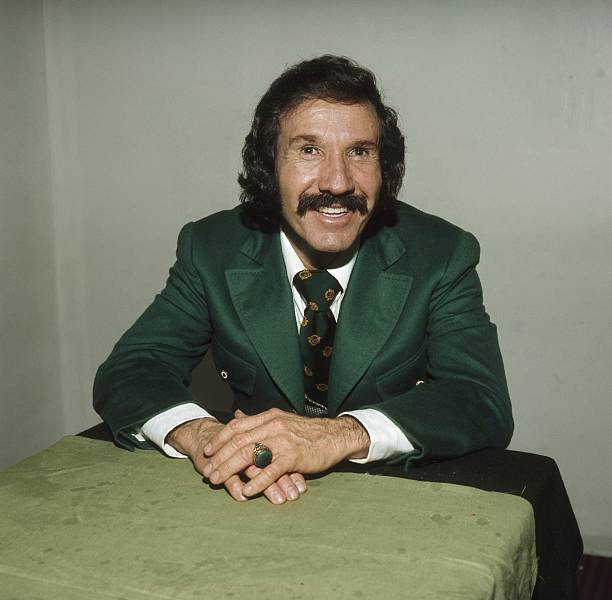
Marty Robbins – Lolene: The Quiet Tragedy of Unattainable Love and the Long Road of Regret
For those of us who appreciate the multifaceted genius of Marty Robbins, a man who could paint sonic portraits spanning the entire emotional spectrum, “Lolene” offers a somber contrast to his typical dramatic flair. This is not a tale of blazing six-shooters or exotic Spanish dancers; rather, it is a deeply introspective, heart-aching folk ballad—a story of a love that was lost simply because the narrator failed to speak, a mistake that shadows his entire life.
This beautifully melancholic song was released on Marty Robbins’ 1962 album, Devil Woman. The album itself was a commercial success, anchored by the major chart hit “Devil Woman,” but tracks like “Lolene” are often the true treasures for dedicated listeners. They showcase Robbins’ extraordinary ability to convey profound emotion with a quiet, almost resigned sincerity. Though “Lolene” was an album track and did not achieve the specific, high chart placement of a major single, its importance lies in its lyrical depth and its enduring resonance with listeners who recognize the pain of lifelong regret.
The story is a masterclass in concise heartbreak. The narrator begins by setting the scene of his youth, recalling a past love named Lolene. He remembers her beauty and the simple, idyllic life they shared, walking together down “a moonlit lane.” The tragedy is revealed immediately: Lolene waited, and the narrator admits he simply “didn’t ask.” He had his chance, the moment was ripe, but fear, shyness, or some paralyzing indecision kept the crucial words locked away.
The profound meaning of “Lolene” lies in the universal, devastating concept of the missed opportunity. It’s a song about the heavy, lingering weight of knowing that one’s life trajectory was forever altered by a single moment of cowardice or silence. The narrator doesn’t blame Lolene; he blames himself, forever haunted by the simple failure to seize the day. He now travels alone, always searching, always looking for a face that matches the memory of her. The quiet resignation in the final lines, realizing he may never find another like her, is the sound of a man who has accepted his self-inflicted fate.
For listeners of our generation, “Lolene” serves as a powerful, poignant reminder that the greatest heartbreaks are often the quiet ones—the loves that were never fully expressed, the roads that were never taken. Marty Robbins’ delivery here is exquisitely restrained. His voice wraps around the sorrowful melody with a gentle quality, almost as if he is confiding a painful, long-held secret. It is this intimacy that makes the song so compelling, turning a simple ballad into a profound reflection on how silence, at the wrong moment, can echo louder than any words spoken in a lifetime.
 Music Legend