
A Quiet Conversation With the Heart About Love, Time, and the Courage to Begin Again
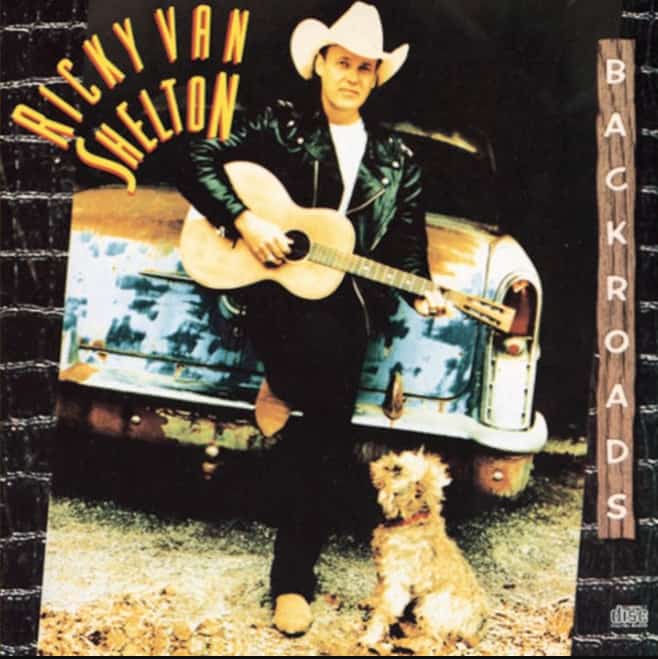
Released on May 21, 1991, “Oh Heart of Mine” stands as one of the defining moments in the career of Ricky Van Shelton, arriving at a time when traditional country music still held deep emotional authority on American radio. The song was issued as a single from Backroads, his fourth studio album, which would go on to earn platinum certification. Almost immediately, the record resonated with listeners, climbing steadily until it reached No. 1 on the Billboard Hot Country Songs chart, reaffirming Shelton’s place as one of the most trusted voices in country music at the dawn of the 1990s.
Written by the accomplished songwriting duo Don Schlitz and Thom Schuyler, “Oh Heart of Mine” carries the unmistakable mark of craftsmen who understood restraint as well as revelation. Schlitz, already revered for songs such as “The Gambler,” brought a poetic clarity to the lyric, while Schuyler added a sense of conversational intimacy. Together, they shaped a song that speaks quietly but lingers long after the final note fades.
At its core, “Oh Heart of Mine” is a dialogue between reason and feeling. The narrator addresses his own heart as if it were an old friend who has suffered before and learned caution the hard way. There is no bitterness here, no anger toward the past. Instead, the song acknowledges emotional scars with dignity, recognizing that experience teaches hesitation, even when hope still quietly insists on being heard. This gentle internal debate gives the song its power. It feels less like a performance and more like a private moment captured on record.
Ricky Van Shelton was uniquely suited to deliver such material. By 1991, his voice had matured into a warm, steady instrument that conveyed sincerity without theatrics. He sang with a calm assurance that suggested lived experience rather than dramatic invention. In “Oh Heart of Mine”, Shelton avoids vocal excess. Each phrase is carefully measured, allowing the lyric to breathe. The result is a performance that feels honest, patient, and deeply human.
The album Backroads itself reflected a turning point in Shelton’s artistic journey. While his earlier work leaned heavily on covers and classic influences, this record balanced tradition with contemporary polish. “Oh Heart of Mine”, positioned as the third track, emerged as a centerpiece, embodying the album’s reflective tone. It spoke to listeners who had loved, lost, and learned to move forward more cautiously, yet never entirely without hope.
Musically, the arrangement reinforces the song’s emotional restraint. Gentle acoustic textures, subtle steel guitar, and an unhurried tempo create space for contemplation. Nothing distracts from the central message. This simplicity is deliberate, echoing the song’s theme that emotional truths often arrive softly, not with grand declarations but with quiet resolve.
The lasting appeal of “Oh Heart of Mine” lies in its universality. It does not chase trends or youthful urgency. Instead, it honors the accumulated wisdom that comes with time. The song understands that the heart does not forget easily, yet it also knows that love, when genuine, is worth the risk of vulnerability. That balance between caution and courage gives the song its enduring relevance.
More than three decades after its release, “Oh Heart of Mine” remains one of Ricky Van Shelton’s most cherished recordings. It represents a moment when mainstream country music trusted subtlety, storytelling, and emotional truth. For those who remember hearing it on the radio in 1991, the song still carries the weight of memory. For new listeners, it offers a timeless lesson: the heart may hesitate, but it never truly stops believing.
 Music Legend