
A Tender Question About the Secret World We Enter Each Night
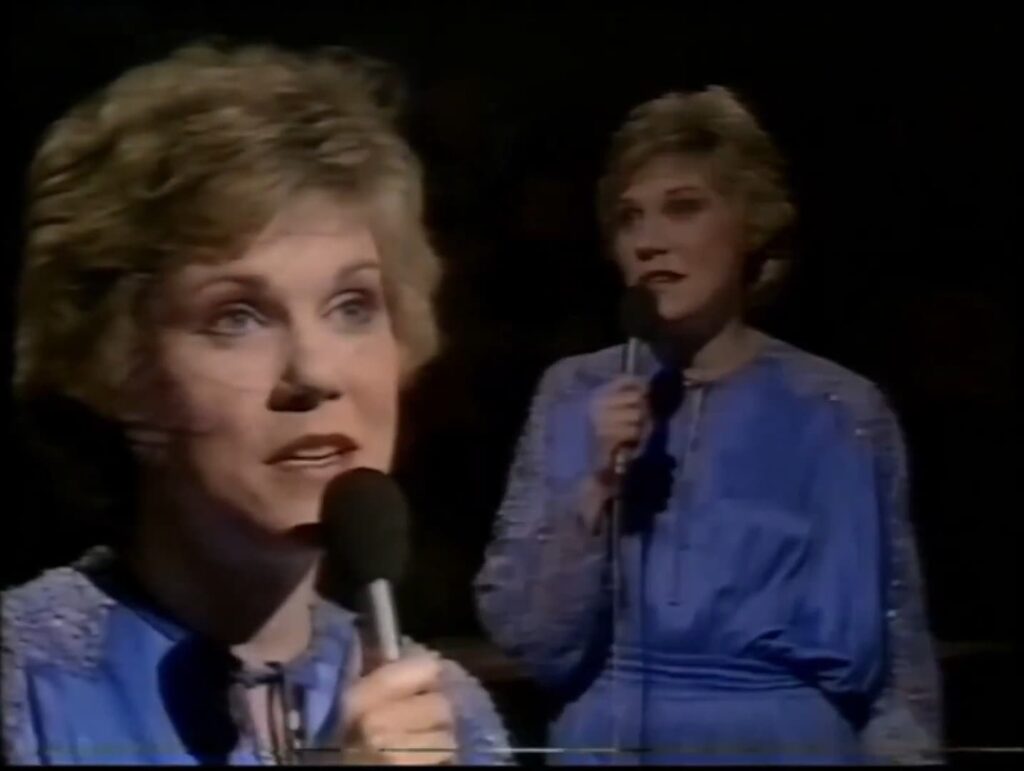
In 1981, at the height of her international acclaim, Anne Murray stepped onto the stage and delivered one of her most quietly affecting performances with “Where Do You Go When You Dream.” The song, drawn from her album Where Do You Go When You Dream released that same year, reflected a mature artist at ease with both vulnerability and control. By then, Murray was already a Grammy Award winner and one of Canada’s most successful musical exports, yet this performance revealed something more intimate than chart positions or industry accolades.
Released as part of a period when Murray’s sound blended soft country with adult contemporary polish, the album continued her streak of commercial success. The early 1980s marked a time when her voice was a constant presence on radio, recognizable within seconds. But statistics tell only part of the story. What remains most enduring is the emotional space she created on stage when she sang this gentle ballad.
That evening in 1981, as the spotlight settled softly around her, there was no theatrical spectacle. No grand gestures. Just a stillness. “Where Do You Go When You Dream” is built on a simple yet profound question. It asks about the unseen life of a loved one, the secret landscapes the mind travels while the body rests beside someone who cares deeply. In Murray’s hands, the lyric felt less like curiosity and more like quiet longing. Her phrasing was deliberate, almost conversational, as though she were confiding in each listener individually.
The arrangement was understated. A tender piano line, subtle strings, restrained percussion. The production allowed her signature contralto to carry the emotional weight. There is a warmth in Murray’s lower register that has always distinguished her from contemporaries. During this performance, that warmth felt almost protective. Each note seemed to float with calm assurance, never forced, never hurried.
For many who watched her during that era, this song evoked memories of evenings when life felt simpler. A familiar living room. The glow of a television set. The ritual of tuning in to see a favorite performer. Murray did not command attention with flamboyance. She earned it through sincerity. When she asked, “Where do you go when you dream?” it resonated as a universal meditation on intimacy and mystery within long relationships.
The early 1980s were a transitional moment in popular music. Flashier sounds were emerging. Synthesizers were reshaping the charts. Yet Anne Murray remained anchored in emotional clarity. Her artistry resisted trends without rejecting them. She evolved gracefully, maintaining relevance while holding firmly to her identity.
Watching that 1981 performance now carries a particular poignancy. Time has added a soft patina to the footage. Hairstyles, stage lighting, the formal elegance of her attire. All of it belongs unmistakably to another era. And yet the song’s central question remains timeless. Dreams are still private territories. Love is still accompanied by wonder about what lies beyond another’s waking smile.
There is something reassuring in revisiting performances like this. They remind us of a period when music often lingered in melody rather than volume, when a single voice could hold an audience without distraction. “Where Do You Go When You Dream” stands as a quiet testament to that tradition.
In the end, what lingers is not simply nostalgia for 1981. It is gratitude for artists like Anne Murray, whose songs continue to echo gently through memory, asking questions that never grow old and offering comfort without ever raising their voice.
 Music Legend