
A vision of hope and illusion born from survival, where imagination becomes both refuge and warning
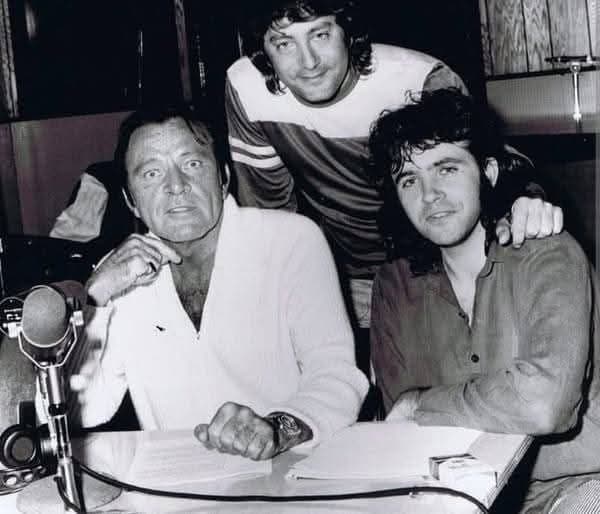
Brave New World stands as one of the most thought provoking moments within Jeff Wayne’s Musical Version of The War of the Worlds, released in 1978, a landmark concept album that redefined how rock music could merge with literature and theatrical storytelling. Featuring Richard Burton as the commanding narrator and David Essex in the role of the Artilleryman, this piece is not a conventional song aimed at radio play, but a dramatic musical monologue that unfolds like a fevered dream. The album itself debuted at No. 1 on the UK Albums Chart, where it remained for several weeks, and went on to become one of the best selling British albums of all time. While Brave New World was not issued as a standalone charting single, its cultural impact has endured far beyond chart positions.
The origins of Brave New World lie in Jeff Wayne’s ambitious adaptation of H. G. Wells’ classic 1898 novel The War of the Worlds. Rather than merely retelling the story, Wayne sought to explore the psychological aftermath of catastrophe. By the time this piece appears in the album’s narrative, humanity has been shattered by Martian invasion. Civil order has collapsed. What remains is not heroism, but survival, confusion, and the desperate need to believe in something better. It is here that David Essex’s Artilleryman introduces his vision of a future society hidden underground, a so called brave new world where rules, ranks, and renewal promise meaning amid devastation.
Musically, the track is built on a pulsing, almost mechanical rhythm that mirrors the Artilleryman’s obsessive mindset. Synthesizers hum beneath the surface, suggesting both futuristic optimism and emotional instability. David Essex delivers his performance with manic conviction, his voice rising and falling between enthusiasm and fragility. There is excitement in his words, but also an unmistakable edge of desperation. This is not a calm plan carefully considered. It is a dream clung to because reality has become unbearable.
Richard Burton’s narration, woven throughout the album and surrounding this moment, provides a crucial counterweight. His deep, measured voice grounds the story, reminding the listener that the Artilleryman’s vision may be less salvation and more illusion. Burton’s presence elevates the entire project, lending it the gravitas of classical theatre. His narration does not judge outright, but it observes with quiet authority, allowing the listener to sense the cracks forming in the Artilleryman’s dream.
The meaning of Brave New World extends beyond its place in the storyline. It is a meditation on how people respond to loss and chaos. Faced with the collapse of everything familiar, the human mind often constructs new belief systems, new hierarchies, and new promises. The Artilleryman’s underground society is not built on compassion, but on control and exclusion. In that sense, the song becomes a subtle warning. Not every vision of rebuilding leads to freedom. Some simply replace one form of destruction with another.
Within Jeff Wayne’s Musical Version of The War of the Worlds, this track serves as a turning point. It shifts the focus away from external threats and toward internal ones. The Martians may be gone, but the danger of losing humanity’s moral compass remains. That idea resonated deeply at the time of the album’s release, an era marked by social change, technological anxiety, and questions about the future. The album’s success reflected a hunger for music that dared to think big, to ask uncomfortable questions, and to blur the line between entertainment and reflection.
Decades later, Brave New World continues to captivate listeners not because it offers comfort, but because it feels unsettlingly familiar. The dream of starting over, of creating a perfect society from ruins, has appeared countless times throughout history. This piece captures that impulse with remarkable clarity, wrapped in sound and storytelling that still feels bold and immersive.
In the collaboration between David Essex, Richard Burton, and Jeff Wayne, Brave New World remains a striking example of how music can explore the human condition without relying on simple melodies or easy resolutions. It invites the listener to reflect quietly, to question optimism built on fear, and to remember that the most dangerous worlds are sometimes the ones imagined with the best intentions.