
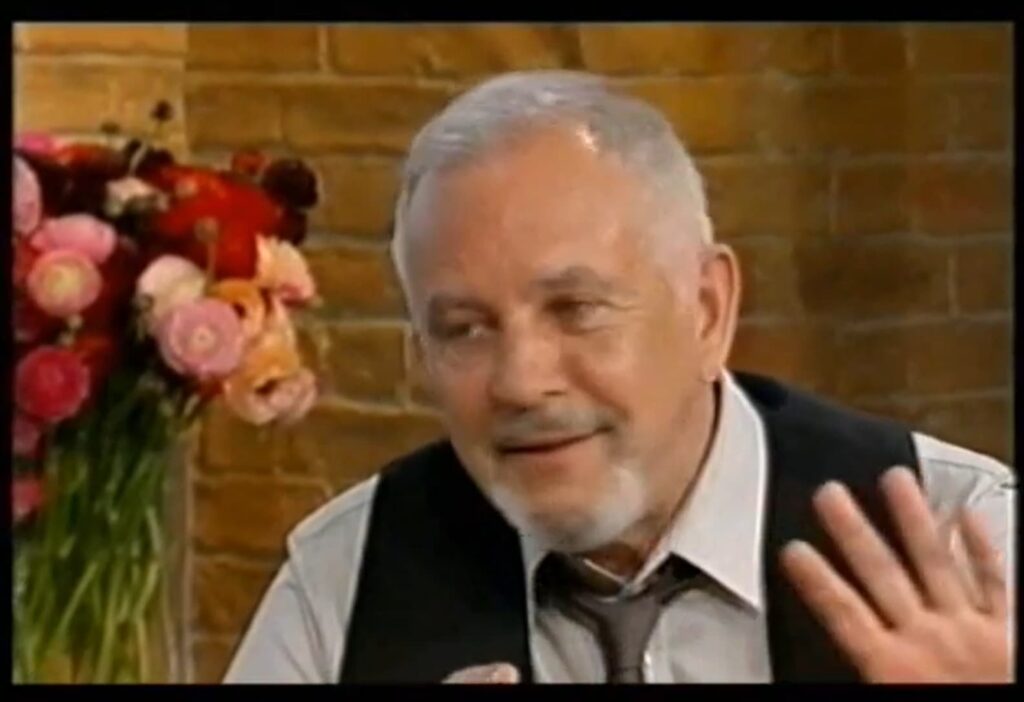
A Timeless Voice Reflects on Fame, Music, and the Journey That Never Truly Ends
When David Essex appeared on the widely watched ITV television program “This Morning”, it was more than just another celebrity interview—it was a quiet reckoning with a remarkable career that has stretched across decades of British popular culture. Broadcast on the long-running daytime show on ITV, one of the United Kingdom’s leading commercial networks, the interview offered viewers a rare opportunity to see the multi-talented artist not merely as a former teen idol or chart-topping singer, but as a seasoned craftsman reflecting thoughtfully on a life shaped by music, theatre, and film.
For those who remember the seismic impact of the early 1970s, the name David Essex still carries a certain electricity. Born David Albert Cook in London in 1947, he emerged as one of Britain’s defining pop figures during a decade that blurred the lines between glam rock spectacle and heartfelt balladry. His 1973 single “Rock On” reached No. 3 on the UK Singles Chart and climbed to No. 5 on the US Billboard Hot 100 the following year—an impressive transatlantic achievement for a distinctly British performer. The song’s sparse, almost hypnotic production and Essex’s murmured vocal delivery marked it as something strikingly different from the bombast of the era.
Yet during his conversation on “This Morning”, it became clear that the chart positions—impressive though they were—represented only one facet of his journey. He also revisited the phenomenal success of “Gonna Make You a Star”, which soared to No. 1 on the UK Singles Chart in late 1974. That song, brimming with theatrical ambition and youthful yearning, captured the intoxicating promise of fame at a time when Essex himself was navigating the dizzying heights of stardom. The irony was not lost on him during the interview; the track that celebrated becoming a star arrived just as he was learning the true cost of celebrity.
The ITV studio setting allowed Essex to speak with a calm candor rarely afforded in the fevered days of 1970s fan hysteria. He reflected on his early acting breakthrough in the 1973 film “That’ll Be the Day”, where he starred opposite Ringo Starr. The film’s critical success introduced him as more than a pop singer; it revealed a dramatic depth that would later flourish in stage roles, including his portrayal of Che in the original London production of Evita in 1978. That role not only expanded his artistic credibility but also demonstrated a vocal power and emotional intensity that went beyond three-minute radio singles.
During the interview, there was a noticeable shift in tone when Essex spoke about longevity. Unlike many contemporaries whose fame burned brightly and briefly, he continued to record and tour, earning further UK No. 1 success with “Hold Me Close” in 1975. Over the years, his songwriting matured, moving away from glam-era exuberance toward introspective reflections on love, identity, and resilience. The program’s hosts gently guided the conversation toward these later chapters, allowing Essex to articulate how his understanding of music had evolved—from chasing applause to cherishing connection.
What resonated most powerfully was his acknowledgment of gratitude. Fame, he suggested, is fleeting; artistry endures. Watching him speak, one sensed not nostalgia for lost adoration, but appreciation for a life steeped in creative expression. The young man who once embodied teenage fantasy had become a reflective storyteller, aware of the arc of his own narrative.
The significance of this appearance on ITV’s “This Morning” lies not in any promotional agenda, but in its reaffirmation of cultural memory. British music history is rich with figures who defined their era, yet few articulate their experiences with such measured humility. Essex’s voice—still warm, still distinct—carried echoes of packed concert halls and radio countdowns, but also the quiet wisdom earned through time.
In revisiting his chart triumphs and theatrical milestones, David Essex reminded viewers that music is never confined to the moment it tops a chart. Songs like “Rock On” and “Gonna Make You a Star” remain etched into collective memory because they captured something true about aspiration and vulnerability. His conversation on “This Morning” did more than recount achievements; it illuminated the enduring relationship between artist and audience—a bond that, like the best melodies, lingers long after the final note fades.