
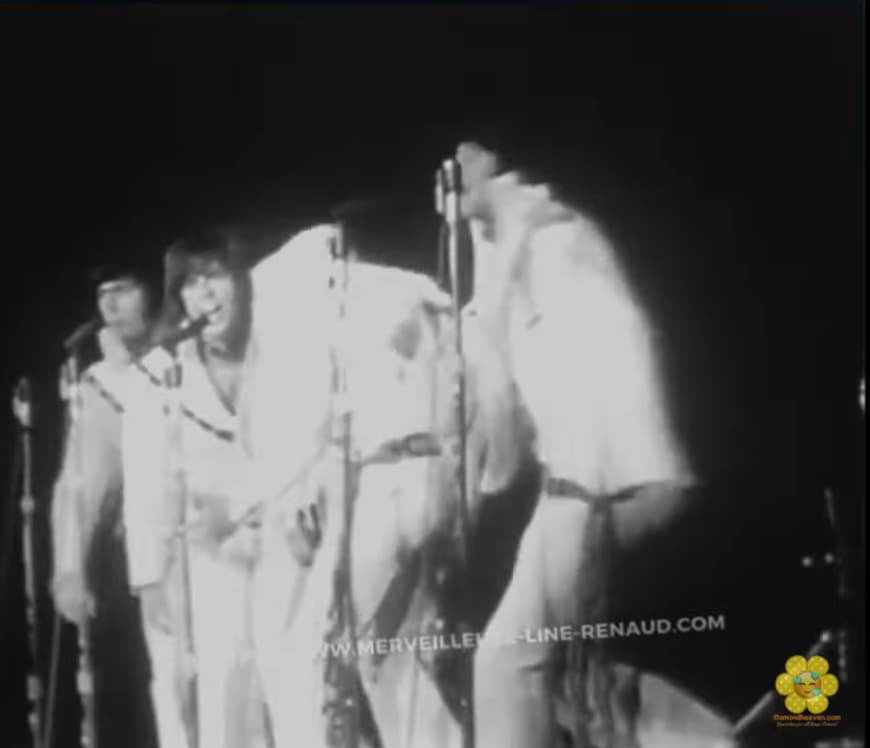
When Youthful Energy Meets Soul Tradition — “Motown Special” Shows How The Osmonds Bridged Pop, Soul, and Showmanship in 1972
In the early 1970s, the world of popular music was full of rapid transformation. Soul music from Detroit, British rock from across the Atlantic, and American pop harmonies were all colliding in exciting ways. In the middle of that vibrant moment stood The Osmonds, a family group whose extraordinary versatility allowed them to move effortlessly between styles. Their performance of “Motown Special” (Live – 1972) captured this spirit perfectly, blending the bright enthusiasm of pop with the irresistible rhythm of the Motown sound that had reshaped American music during the previous decade.
By 1972, The Osmonds had already become one of the most successful pop acts in the world. Their rise had begun years earlier with television appearances and family performances, but the real explosion of popularity arrived at the start of the new decade. Their single “One Bad Apple”, released in 1970, soared to No. 1 on the Billboard Hot 100, remaining there for five consecutive weeks. The song also topped the Billboard Easy Listening chart, proving that their appeal crossed generational boundaries.
This success was followed by a series of chart hits that confirmed the group’s musical range. “Yo-Yo” reached No. 3 on the Billboard Hot 100 in 1971, while “Down By The Lazy River” climbed to No. 4 in 1972. Meanwhile, their albums consistently appeared on the Billboard 200, with Phase III (1971) becoming one of their most celebrated releases.
Within this context of global popularity, the group began to experiment more boldly with their musical influences. One of the strongest influences on The Osmonds had always been the sound of Motown Records, the legendary Detroit label that had introduced the world to artists such as The Supremes, The Temptations, and Stevie Wonder. Motown’s polished arrangements, infectious bass lines, and dynamic vocal harmonies had become the defining sound of 1960s soul music.
The performance titled “Motown Special” reflects that admiration. Rather than presenting a single song, the piece functions almost like a celebratory tribute to the Motown style. During their 1972 live performances, The Osmonds often incorporated medleys and high energy arrangements that showcased the influence of soul music on their own evolving sound.
Watching or listening to “Motown Special (Live – 1972)” reveals just how dynamic the group had become as performers. Unlike the carefully polished studio recordings that dominated radio airplay, their live shows carried a raw excitement fueled by tight vocal harmonies and energetic instrumentation. Guitar riffs, driving bass lines, and lively percussion gave the performance a powerful rhythmic pulse.
At the center of it all was the unmistakable harmony of the Osmond brothers. Their vocal blend had been refined through years of performing together, and it allowed them to shift effortlessly between smooth pop melodies and more rhythm driven soul arrangements.
What made The Osmonds particularly fascinating during this period was their ability to balance youthful exuberance with genuine musical skill. While many audiences were initially drawn to their image as a wholesome family group, musicians often recognized something deeper in their performances: strong musicianship and an authentic respect for the traditions that influenced their sound.
The Motown-inspired performance highlighted that connection clearly. The rhythmic groove, the call and response vocal style, and the lively stage energy all echoed the spirit of Detroit soul while still maintaining the distinct personality of The Osmonds themselves.
Listening today, “Motown Special (Live – 1972)” feels like a joyful celebration of musical heritage. It captures a moment when young performers were discovering how deeply earlier musical movements had shaped their own artistic identity.
More importantly, the performance reminds listeners that music is often a conversation across generations. The Motown artists of the 1960s had created a sound that traveled far beyond Detroit. By the early 1970s, groups like The Osmonds were carrying that influence into new spaces, blending soul, pop, and rock into something fresh and exciting.
As the final notes of “Motown Special” fade, what remains is the sound of a band enjoying the sheer excitement of performance. The rhythm is vibrant, the harmonies soar, and the atmosphere feels alive with possibility.
And in that joyful energy, The Osmonds demonstrate something that has always been true about great music: styles may evolve, trends may change, but the spirit of rhythm and harmony continues to move forward, inspiring each new generation to find its own voice within the legacy of the past.