
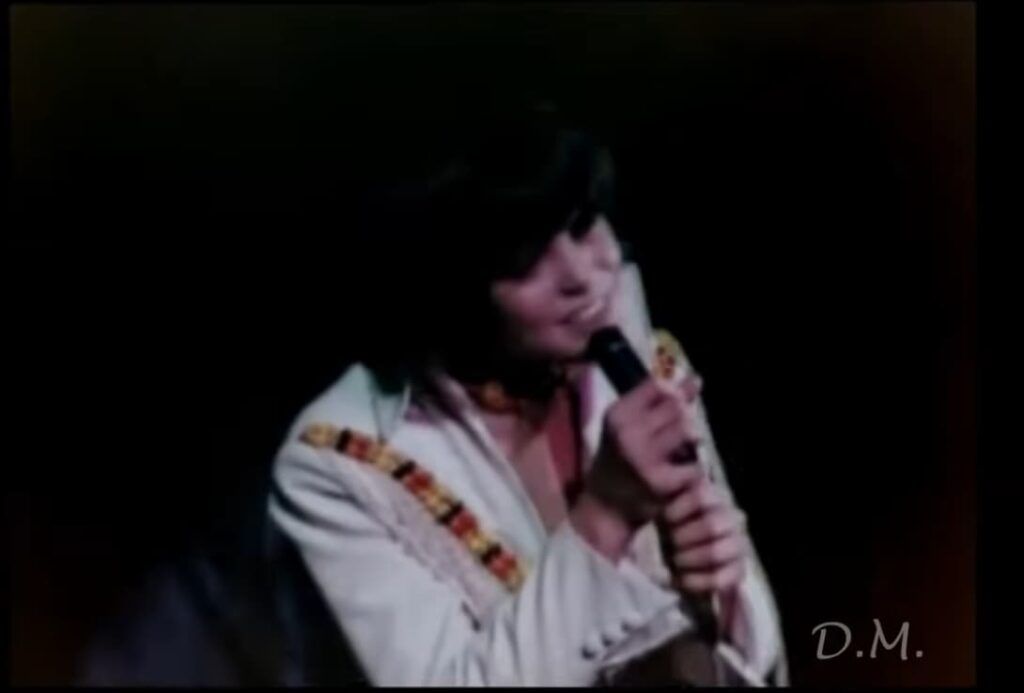
A Portrait of Youthful Promise — “Sweet and Innocent” Captured the Gentle Spirit of Early 1970s Pop in the Voice of Donny Osmond and The Osmonds
When The Osmonds appeared at The Forum in Los Angeles, California in 1971, the performance of “Sweet and Innocent” represented more than just another concert highlight. It was a defining snapshot of a moment when youthful optimism, polished harmony, and family centered showmanship had found a powerful place in American popular music. The song itself had already become a major hit earlier that year, and hearing it performed live before thousands of enthusiastic fans gave it an emotional energy that recordings alone could never fully capture.
Released in 1971, “Sweet and Innocent” was performed by Donny Osmond, the youngest of the performing Osmond brothers at the time, though it was strongly connected to the musical identity of The Osmonds as a whole. The single climbed to No. 7 on the Billboard Hot 100, making it one of Donny’s earliest and most successful solo recordings. At the same time, it reached No. 1 on the Billboard Easy Listening chart, demonstrating how the song’s gentle melody and romantic tone resonated across a wide audience.
The recording also appeared on Donny Osmond’s debut solo album, Donny Osmond (1971), a record that introduced his soft vocal style to listeners who were already familiar with the energetic performances of the entire family group. While The Osmonds had built their reputation through tight harmonies and upbeat pop songs, “Sweet and Innocent” revealed a more tender musical side.
The story behind the song actually reaches further back into music history. “Sweet and Innocent” had originally been recorded by Roy Orbison in 1958, long before the Osmond era began. Although Orbison’s version did not become a major chart success at the time, the song carried the melodic beauty and emotional simplicity that would later make it perfect for Donny Osmond’s youthful voice.
When Donny recorded his version in 1971, the arrangement was carefully crafted to highlight his natural sincerity. Soft orchestration, gentle rhythm sections, and warm backing vocals created a musical atmosphere that allowed the lyric to unfold with grace.
The song itself speaks about admiration and affection for someone whose kindness and purity of spirit leave a lasting impression. Rather than focusing on dramatic love or heartbreak, the lyric celebrates something more delicate — the recognition of genuine sweetness in another person.
This theme of innocence was particularly fitting for Donny Osmond, who was just 13 years old when the song became a hit. His voice carried a youthful clarity that made every line feel authentic. Instead of sounding rehearsed or theatrical, the performance had a sincerity that connected naturally with audiences.
That sincerity became even more apparent during the 1971 performance at The Forum in Los Angeles, one of the most famous concert venues in the United States. At the time, The Osmonds were experiencing an extraordinary wave of popularity. Songs such as “One Bad Apple”, which had reached No. 1 on the Billboard Hot 100 in 1971, had already made the group one of the biggest pop acts in the country.
Performing “Sweet and Innocent” in front of a packed audience at The Forum brought a special emotional energy to the song. The thousands of voices responding to Donny’s gentle melody created a powerful sense of connection between performer and crowd.
Moments like that reveal something important about the appeal of The Osmonds during the early 1970s. Their music carried a sense of warmth and positivity that felt refreshing during a time when much of popular culture was becoming more complex and experimental.
Listening today, “Sweet and Innocent” still carries the charm of that era. The melody remains soft and welcoming, the lyric simple but heartfelt. It feels like a musical photograph from a time when pop songs often celebrated kindness, admiration, and hopeful emotions.
When Donny Osmond, supported by The Osmonds, sang “Sweet and Innocent” at The Forum in 1971, the moment captured the spirit of youthful possibility. It was a reminder that sometimes the most enduring songs are not the loudest or the most dramatic, but the ones that quietly celebrate the beauty of sincerity itself.