
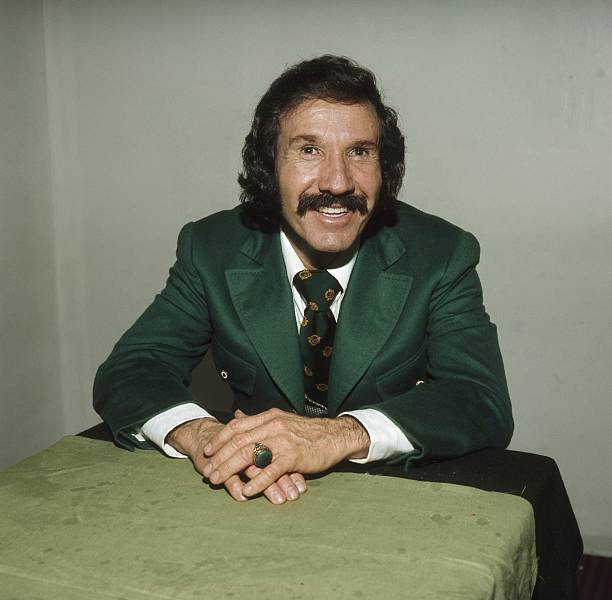
Marty Robbins – “I’ve Got No Use for the Women”: A “High-Fidelity” Masterclass in the Cowboy’s Code of Solitude
In the rugged, sepia-toned landscape of 1959, Marty Robbins released a recording that would become a cornerstone of his legendary “Gunfighter Ballads and Trail Songs” project. When he recorded “I’ve Got No Use for the Women,” he wasn’t just performing a traditional cowboy lament; he was crafting a “mini-movie” of the soul. For those of us who remember the late fifties—the era of the Columbia Records “Lp” and the flickering glow of the television Western—this track was a rhythmic revelation. It caught the “Gentle Giant” of the Western ballad at a vocal peak where his crystalline, “velvet” tenor could inhabit the psyche of a man who has chosen the “high-level” isolation of the trail over the “quiet desperation” of the heart.
The “story” behind Marty’s interpretation of this classic is one of profound vocal restraint and cinematic atmosphere. Originally a traditional folk song that had been passed down through generations of real-life cowhands, the narrative follows a narrator who has been “burned” by love and has sworn off the company of women in favor of his “ponies and the open range.” Marty’s delivery is a study in masculine sincerity; he navigates the cynical, road-worn lyrics with a melodic grace that makes the listener believe every word. It was an era where the “Nashville Sound” was beginning to embrace the epic, and Marty was its most sophisticated architect. He proved that a song about the heavy choice of solitude didn’t need to be loud to be powerful; it simply needed to be phrased with the impeccable timing and soulful authority that were his trademarks.
For the sophisticated listener who has navigated the “highways and byways” of several decades, hearing Marty sing “I’ve Got No Use for the Women” today is a deeply evocative experience. It brings back memories of wood-paneled dens, the distinctive smell of a fresh LP, and the realization that as we reach our silver years, the “choices” we made in our youth have defined the landscape of our lives. The lyrics speak to a universal human experience of “saving face” while navigating the “ebbs and flows” of our own personal histories. For a “qualified” reader who has seen the world change from the steady principles of the fifties to the digital pace of today, this song is a profound mirror of our own resilience and the quiet dignity of a man who knows exactly who he is, even when the stars are his only company.
The meaning of Marty’s version of this trail standard lies in its unapologetic honesty. Marty Robbins possessed the unique, almost magical gift of being a “vocal chameleon” who could transition from a smoldering romantic to a hardened drifter without ever losing the “Truth” in his voice. As we reflect on this 1959 masterpiece today, through the lens of our own decades of experience, we see it as more than just a track on a “Gunfighter” album; it is a testament to the enduring power of the narrative song to preserve a vanishing way of life. The Master Storyteller may have eventually walked his last earthly trail, but in the soaring, rhythmic notes of this song, he remains the eternal witness to the cowboy’s creed. To listen to it now is to sit once more with Marty, acknowledging that while the “women” may come and go, the “velvet” echoes of his voice will never truly fade.
 Music Legend