
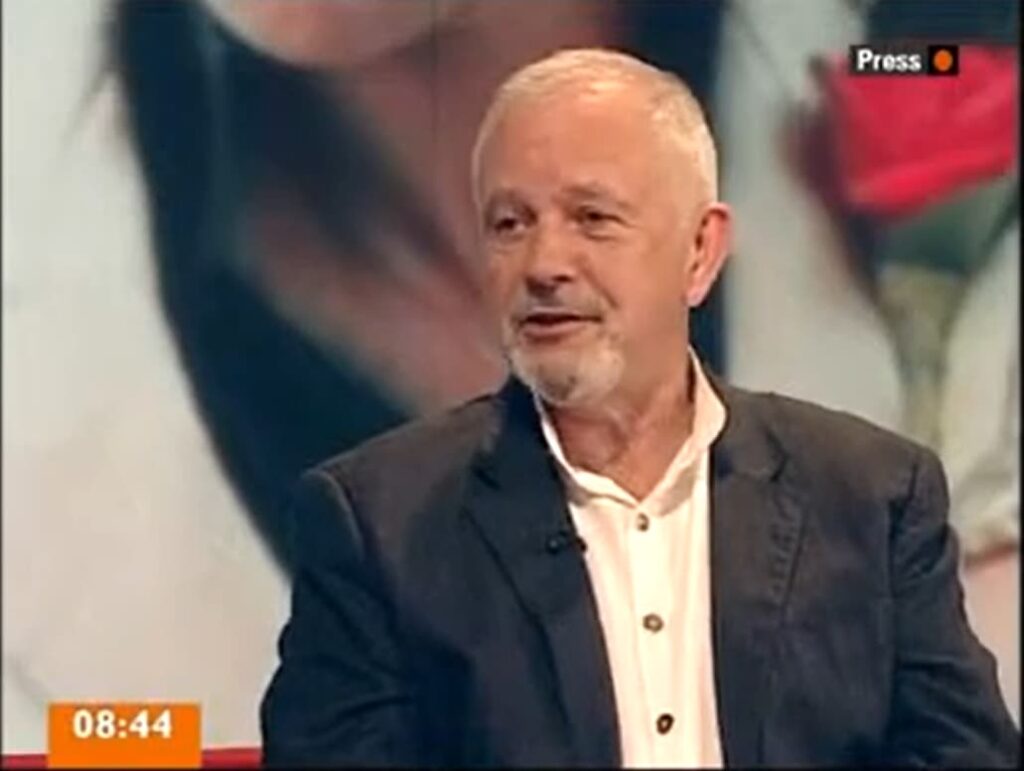
Still moving forward—David Essex speaks about returning to the stage, not to relive the past, but to understand what still remains
When David Essex sat down for an interview on September 15, 2008, he wasn’t looking back in the way people might expect. By then, he had already lived through the cycles—early success, recognition, the long stretch of being known for songs that had outgrown their original moment. But the conversation isn’t anchored in any of that. It moves forward, almost quietly, toward what he is working on now—All the Fun of the Fair.
He speaks about the musical not as a grand statement, but as something that has taken time to find its shape. There’s a sense that this project didn’t arrive fully formed. It evolved, slowly, through years of thought, revision, and lived experience. And in the way he talks about it, you can feel that passage of time—not as something heavy, but as something necessary.
The idea of returning to the stage carries a different meaning here. This isn’t the same stage that once held the energy of chart success or immediate applause. This is something more deliberate. More constructed. A space where story and music have to hold together over time, not just in a single moment. And Essex seems aware of that shift. He doesn’t romanticize it, but he doesn’t distance himself from it either. He meets it as it is.
There’s also something personal running beneath it all. All the Fun of the Fair isn’t just another project—it connects back to earlier parts of his life, to themes and experiences that have stayed with him. But he doesn’t present it as autobiography. Instead, it feels like a translation—taking something lived and finding a way to express it through characters, through narrative, through music that doesn’t need to explain itself directly.
As he talks, there’s no urgency to prove anything. That’s what stands out most. The tone is steady, reflective, but not weighed down. He isn’t trying to redefine his career or reposition himself. If anything, he seems comfortable letting the work speak in its own time. The musical exists because it needed to be made, not because it needed to be seen in a particular way.
And when the conversation drifts, as it naturally does, toward the past—the songs, the recognition, the earlier years—he doesn’t resist it. But he doesn’t stay there either. There’s an understanding that those moments are part of the path, not the destination. They inform what he’s doing now, but they don’t define it.
What emerges from the interview is not a narrative of comeback or reinvention. It’s something quieter than that. A continuation. The same instincts, perhaps, but applied differently. The same voice, but speaking in another form.
By 2008, David Essex isn’t chasing the immediacy of earlier success. He’s working with time instead of against it. And in that shift, there’s a different kind of clarity—not about where everything leads, but about why it continues at all.
Video:
