
How Dolly Parton And Kenny Rogers Turned Four Memorable Songs Into A Celebration Of Their Musical Chemistry And The Friendship That Made Them One Of Country Music’s Most Beloved Duos
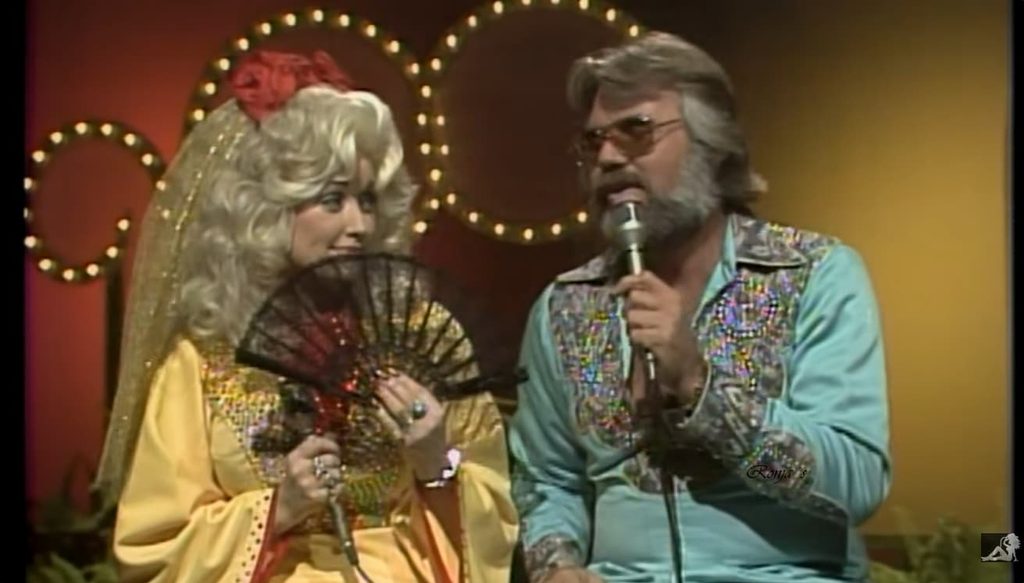
Some musical partnerships are built around one great hit. Others grow into something much richer, shaped by years of shared performances, private jokes and a natural understanding that audiences can feel even through a television screen. Dolly Parton and Kenny Rogers had that rare connection. By the late 1980s, their voices had become closely associated with one another, thanks to the extraordinary success of “Islands in the Stream” and their subsequent collaborations. In 1987, they appeared together on Dolly’s television series, Dolly, in an episode featuring Kenny as a special guest. Beyond their famous duet, the programme gave viewers a chance to see them revisit several songs associated with Kenny’s career, including a medley of “We’ve Got Tonight,” “Anyone Who Isn’t Me Tonight,” “Don’t Fall in Love with a Dreamer” and “Real Love.” It was more than a collection of familiar melodies. It offered a glimpse of two performers who had discovered just how naturally their musical personalities fitted together.
Their partnership had begun to capture the public’s imagination in 1983, when they recorded “Islands in the Stream.” Written by Barry, Robin and Maurice Gibb, the song was originally intended for Kenny’s album Eyes That See in the Dark. During the recording process, Kenny struggled to find the right feel for it, and Dolly was invited into the studio. Her arrival changed the performance. The contrast between Kenny’s warm, slightly husky voice and Dolly’s bright, expressive delivery gave the song a personality that neither singer could have created alone. Released in August 1983, it topped the Billboard Hot 100 and became one of the defining duets of the decade. The success opened the door to further collaborations, including the album Once Upon a Christmas in 1984 and the single “Real Love” in 1985.
The 1987 medley was especially enjoyable because its songs brought different shades of emotion into the same performance. “We’ve Got Tonight,” written by Bob Seger, had become a major hit for Kenny and Sheena Easton in 1983, while “Don’t Fall in Love with a Dreamer” was his successful 1980 duet with Kim Carnes. “Anyone Who Isn’t Me Tonight” recalled another chapter of Kenny’s earlier duet repertoire, while “Real Love” brought the story back to Dolly and Kenny themselves. Each song carried its own history, but together they created a musical conversation about romance, uncertainty and the complicated choices people make in relationships. Dolly’s presence gave these familiar songs a fresh dynamic. She could tease, smile and play with a lyric without losing its emotional meaning, while Kenny’s relaxed manner made the exchange feel comfortable rather than carefully rehearsed.
Part of their appeal came from the fact that their public chemistry never depended on pretending to be a real-life romantic couple. Dolly and Kenny often joked about their apparent attraction, and their playful exchanges became part of the pleasure of watching them together. Yet both understood the value of keeping the relationship grounded in friendship and mutual respect. They came from humble backgrounds, worked their way through the music business and knew what it meant to build a career one performance at a time. Kenny admired Dolly’s extraordinary ability to connect with an audience, while Dolly appreciated his humour, kindness and musical instincts. Their friendship continued long after their biggest chart successes, giving later performances an added warmth. When they stood together onstage, the ease between them was unmistakable.
The medley also reminds us how much television once contributed to the shared memories of popular music. Before online clips and streaming playlists made performances instantly accessible, programmes such as Dolly allowed audiences to spend time with their favourite artists in a more personal setting. Viewers could hear the songs, but they could also see the smiles, glances and small gestures that revealed the relationship behind the music. Kenny was not simply a guest lending his name to Dolly’s show, and Dolly was not merely a famous duet partner appearing beside him. They were two established performers enjoying the opportunity to sing together, drawing on a repertoire that had become part of their shared story.
Looking back at this performance today, the lasting appeal lies in that combination of familiarity and affection. The songs bring back the sound of the 1980s, but the real pleasure comes from seeing two artists who never seemed to need to compete for the spotlight. Kenny brought his unmistakable voice and understated humour; Dolly brought her sparkle, warmth and instinctive sense of timing. Together, they made even a medley of previously recorded hits feel personal. Their musical partnership would remain one of the most memorable in country and pop music, and this television appearance preserves a particularly charming chapter of that story, when two friends could revisit old songs and make them feel alive all over again.