
A Quiet Farewell That Redefined Modern Country Songwriting and the Meaning of Emotional Growth
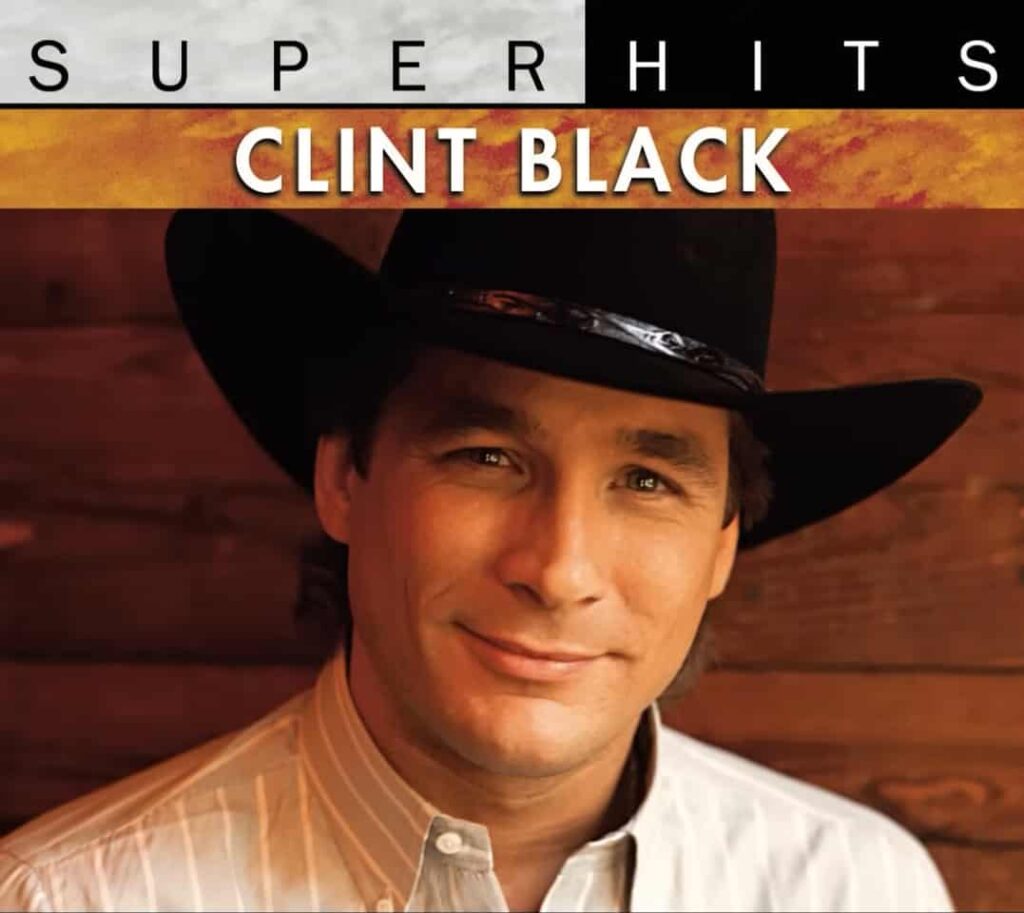
Released in February 1989, A Better Man arrived not with bravado or spectacle, but with a rare sense of emotional restraint that would quietly reshape contemporary country music. As the debut single by Clint Black, and the opening statement from his debut album Killin’ Time, the song immediately distinguished itself through honesty, melodic understatement, and lyrical maturity. Its impact was swift and historic. When A Better Man reached No. 1 on the Billboard Hot Country Singles chart on June 10, 1989, Black became the first artist since Freddy Fender to top the country chart with a first charted single. By the end of the year, it stood as the No. 1 country song of 1989, a remarkable achievement for an artist just beginning his recorded career.
These accomplishments, placed alongside the success of the follow up title track Killin’ Time, would earn Clint Black the Country Music Association Horizon Award in 1989. Yet numbers alone do not explain why A Better Man has endured. Its power lies not in novelty, but in recognition. It speaks to the quiet moment after a love has ended, when blame has cooled and reflection takes over.
Written by Clint Black with longtime collaborator Hayden Nicholas, the song was born directly from lived experience. Black had recently ended a seven year relationship, a personal rupture that left emotional residue rather than dramatic fallout. Instead of dramatizing the loss, he shared the story plainly with Nicholas. From that conversation emerged both the melody and the song’s defining line, “I’m leaving here a better man for knowing you this way.” That lyric, simple and unguarded, became the emotional center of the song and one of the most memorable opening statements in modern country music.
Musically, A Better Man resists excess. The arrangement is clean and measured, allowing Black’s voice to carry the narrative without distraction. His delivery is calm, reflective, and unforced. There is no attempt to plead for reconciliation, no effort to rewrite the past. The song accepts what has ended and quietly honors what was learned. In an era when country music was often divided between polished pop influences and high drama traditionalism, Clint Black offered something different. He trusted stillness, and listeners responded.
The song’s meaning unfolds gradually. At its heart, A Better Man is not about heartbreak in the conventional sense. It is about emotional accountability. The narrator does not claim innocence or victory. He acknowledges pain without assigning blame. He leaves not as a wounded figure, but as someone changed. That perspective was uncommon at the time and remains striking today. It suggests that love, even when it ends, can leave something lasting and constructive behind.
This emotional maturity helped establish Clint Black as a songwriter of unusual depth from the very start. Unlike many debut singles designed to announce a persona, A Better Man introduced a worldview. It suggested that growth often comes quietly, that endings can be dignified, and that reflection is a form of strength. These themes would continue to appear throughout Killin’ Time, an album now regarded as one of the strongest debut records in country music history.
Looking back, the success of A Better Man feels both inevitable and improbable. Inevitable because its truth is universal. Improbable because it achieved such dominance without relying on spectacle. It trusted the listener to lean in. More than three decades later, the song remains a benchmark for songwriting that values honesty over drama and insight over noise.
In the end, A Better Man stands as more than a chart topping debut. It is a reminder that some songs do not announce themselves loudly. They simply arrive, speak plainly, and stay.