
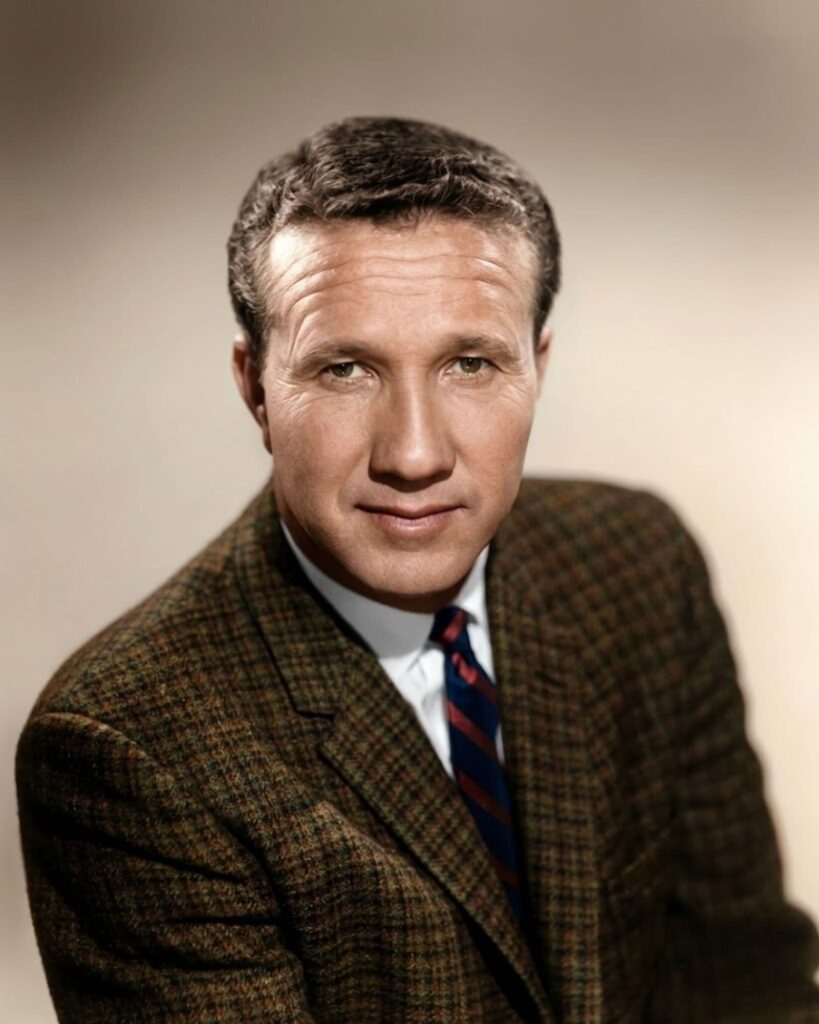
Marty Robbins & Ernest Tubb (1956): A Grand Ole Opry Meeting of Two Golden Eras
The year 1956 stands as a luminous milestone in the annals of country music. It was a time when the spotlight of the Grand Ole Opry illuminated two faces representing two distinct destinies: Ernest Tubb, the venerable “Texas Troubadour,” and Marty Robbins, the rising star destined to become the King of the Western Ballad. Revisiting these rare HD clips from 1956 is not merely watching a performance; it is witnessing a profound, respectful handoff between the rugged roots of Texas honky-tonk and the polished, charismatic future of Nashville.
Here is a sophisticated look at this historic collaboration:
1. A Study in Contrasts: Raw Grit meets Velvet Smooth
In the crisp detail of the 1956 footage, the distinction between these two titans creates a captivating musical friction:
- Ernest Tubb (The Patriarch): With his signature “flat” delivery—earnest, slightly gravelly, and unadorned—Ernest was the living embodiment of traditional Honky-tonk. He stood like a sturdy oak, representing the foundational values of the genre.
- Marty Robbins (The Prodigy): In contrast, a 31-year-old Marty brought a fresh, sophisticated air to the stage. His voice was like silk, possessing a melodic agility and range that few in Nashville could rival. With his wavy hair and radiant smile, Marty represented the “modernization” of the country sound.
2. The Weight of the Moment
Ernest Tubb standing beside Marty Robbins in 1956 carried a powerful message of endorsement:
- The Passing of the Torch: Ernest Tubb was more than a singer; he was the moral authority of the Opry. His presence alongside Marty was a public declaration: “This young man is the future of our music.”
- A Bond of Brotherhood: The glances and smiles they exchanged were not scripted for the cameras. They reflected a genuine friendship that bridged the gap between age and style.
3. The Magic of HD Restoration
Thanks to modern HD restoration, we can observe details that were once lost to the grain of old film:
- The Visual Splendor: The sharp tailoring of their Western suits and the crisp lines of their Stetson hats are rendered in stunning detail, transporting the viewer directly back to the 1950s Nashville stage.
- The Artistry: You can see every nimble movement of their fingers on the guitar strings and the subtle nods they used to keep time. It captures the “breathing” heart of a live performance in a way standard film never could.
4. A Sanctuary of Nostalgia
For the devoted listener who has navigated the many turns of life, this performance is a sanctuary. It harks back to an era where music was defined by pure talent and character. Marty Robbins and Ernest Tubb proved that while styles may evolve, sincerity and mutual respect remain the soul of country music.
Reflecting on this 1956 performance allows us to appreciate Marty Robbins’ first major steps toward global stardom, while also bowing to the greatness of Ernest Tubb—the man who cleared the path for legends.
 Music Legend