
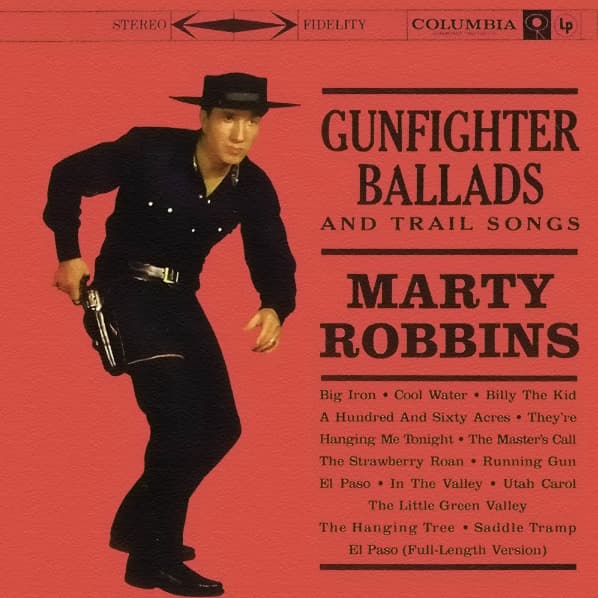
Marty Robbins – If I Want To: A Delicate Proclamation of the Heart’s Sovereign Right to Dream
In the quiet transition of 1962, as Marty Robbins continued to refine the “Gentle Balladeer” persona that would cement his legacy, he recorded a song that served as a soft, rhythmic heartbeat for the weary soul. Released on the album Portrait of Marty, “If I Want To” is a shimmering example of the “Nashville Sound” at its most sophisticated and introspective. While the album itself climbed to No. 10 on the Billboard Top Country Albums chart, this track remains a cherished secret among those who value the subtle nuances of Marty’s craft. It is a song for the introspective hour, a melody that defends the inner sanctuary of the mind against a world that often demands we move on before we are ready.
For the reader who has lived through the long, unfolding chapters of a life well-traveled, this song feels like a familiar conversation with an old friend. Marty Robbins, with a voice that possessed the clarity of a mountain stream and the warmth of a fireplace, explores the quiet rebellion of the broken-hearted. For the mature listener, “If I Want To” captures that specific moment of post-loss autonomy—the realization that while we cannot control the actions of others, we remain the absolute masters of our own memories. There is a deep, evocative nostalgia in hearing Marty’s voice defend his right to “stay blue,” reminding us that grief is not a task to be finished, but a journey to be honored in our own time.
The story behind the song is a testament to the era of Don Law’s production, where the goal was to elevate country music into a realm of universal pop elegance. Written by the talented Boudleaux Bryant—one half of the legendary songwriting duo responsible for “Bye Bye Love” and “Love Hurts”—the track was perfectly tailored to Marty’s “crooner” sensibilities. In 1962, Marty was successfully navigating a world where he could be a cowboy on one record and a sophisticated gentleman on the next. He understood that his audience, many of whom were finding their own footing in a rapidly changing modern world, found solace in his ability to articulate the “private” emotions that were often left unsaid.
The lyrical meaning of “If I Want To” lies in its gentle insistence on emotional freedom. The narrator is told by the world to “forget” and “find someone new,” but he politely declines, asserting his right to dwell in the memory of a lost love. For those of us looking back through the lens of many decades, the song resonates with the dignity of “holding on.” When Marty sings the refrain, his signature controlled vibrato carries a defiant yet tender weight. He isn’t being stubborn; he is being loyal to a feeling. It is a song that honors the “sacred space” we all keep for the people who once meant everything to us, proving that there is a certain strength in refusing to let go until the heart is ready.
Musically, the track is a hallmark of Early Sixties Nashville Sophistication. It features:
- A Light, Latin-Inflected Rhythm: A subtle “bossa nova” influence that gives the song a sophisticated, worldly flair.
- Tinkling Piano Accents: Providing a “starlight” texture that dances around Marty’s vocals.
- Soft, Harmonized Backing: Creating a lush, pillowy atmosphere that makes the narrator’s loneliness feel like a beautiful, if melancholy, refuge.
To listen to this track today is to appreciate the “Portrait” of an artist who knew that the quietest songs often speak the loudest. Marty Robbins reminds us that our feelings are our own, and that there is a quiet majesty in being able to say, “I’ll cry, I’ll sigh, if I want to.” It is a song that celebrates the sovereignty of the individual heart and the enduring beauty of a memory kept with love.
 Music Legend