
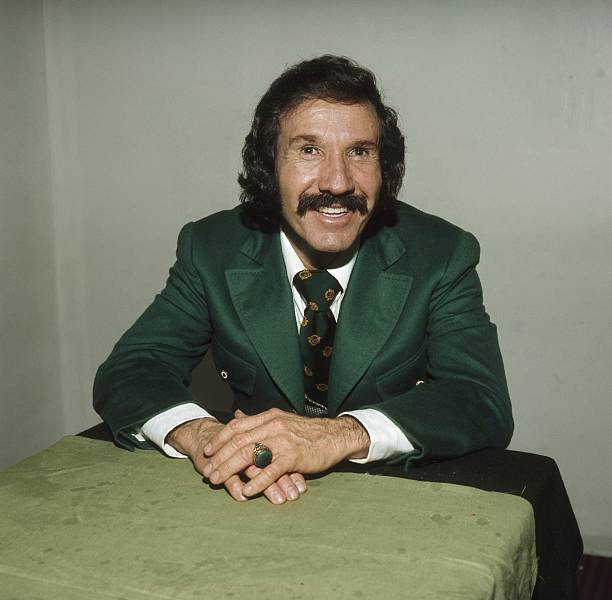
Marty Robbins and “Just Before the Battle, Mother”: A Poignant Echo of the 19th Century from the Velvet Voice of the 20th
In the vast, star-lit gallery of American music, there are moments of creative “what-ifs” that linger in the mind like a soft, persistent mist. For the devoted followers of Marty Robbins, one such moment occurred in the early 1960s—specifically during the prolific sessions that yielded his hauntingly beautiful rendition of “Just Before the Battle, Mother.” Recorded alongside other Civil War-era and 19th-century classics like “Beautiful Dreamer” and “Long Long Ago,” this track stands as a tantalizing glimpse into a masterpiece that never quite was. While we may never know if The Master Storyteller intended to release a cohesive album dedicated to these historic ballads, the sheer brilliance of the performance suggests a missed opportunity of monumental proportions. Released through Columbia Records, this song captured Marty Robbins at the absolute zenith of his powers, proving that his “velvet” baritone was the perfect vessel for the timeless sentimentality of a bygone era.
The “story” behind “Just Before the Battle, Mother” is one of profound historical resonance meeting modern vocal perfection. Originally written by George F. Root in 1862, the song was one of the most popular campfire ballads of the American Civil War, sung by soldiers on both sides of the conflict. It is a letter in song form—a young soldier’s final, tender message to his mother on the eve of a confrontation he suspects he may not survive. When Marty Robbins took up this mantle a century later, he stripped away the martial bombast often associated with war songs, choosing instead an arrangement of heartbreaking intimacy. His delivery is a masterclass in restraint; he doesn’t shout the soldier’s bravery, but rather whispers his vulnerability. The way his voice catches on the promise to “farewell, mother, you may never press me to your heart again” is a testament to why he was truly The Gentle Giant of the narrative ballad.
For the sophisticated listener who has spent a lifetime appreciating the weight of history and the value of a legacy, hearing Marty sing this 19th-century treasure is a deeply moving experience. It evokes memories of a time when music was used to heal a fractured nation, and when the bond between a mother and her son was the ultimate sacred truth. The lyrics aren’t just about war; they are about the universal human desire to be remembered and loved in our final moments. For a “qualified” reader who has seen the cycles of history turn and perhaps felt the sting of their own “battles,” this song is a profound mirror. It reminds us that across the centuries, the human heart remains remarkably unchanged in its fears and its affections.
The meaning of this Marty Robbins performance lies in its “lost” potential. As we listen to the crystalline production and the effortless grace of his phrasing, we can’t help but feel a pang of regret that an entire album of these 19th-century gems never materialized. It would have been the perfect companion to his Gunfighter Ballads, a “Civil War Ballads” collection that would have surely sat atop the Billboard charts. As we reflect on this track today, through the lens of our own silver years, we see it as a precious artifact—a reminder of a time when a singer could reach back a hundred years and make the past feel as immediate as a heartbeat. Marty Robbins may have left the stage, but in this performance, he remains the timeless bridge between the history we read and the emotions we feel.
 Music Legend