
“Borrowed Love, Borrowed Time” – The Quiet Ache Inside a Classic Country Confession
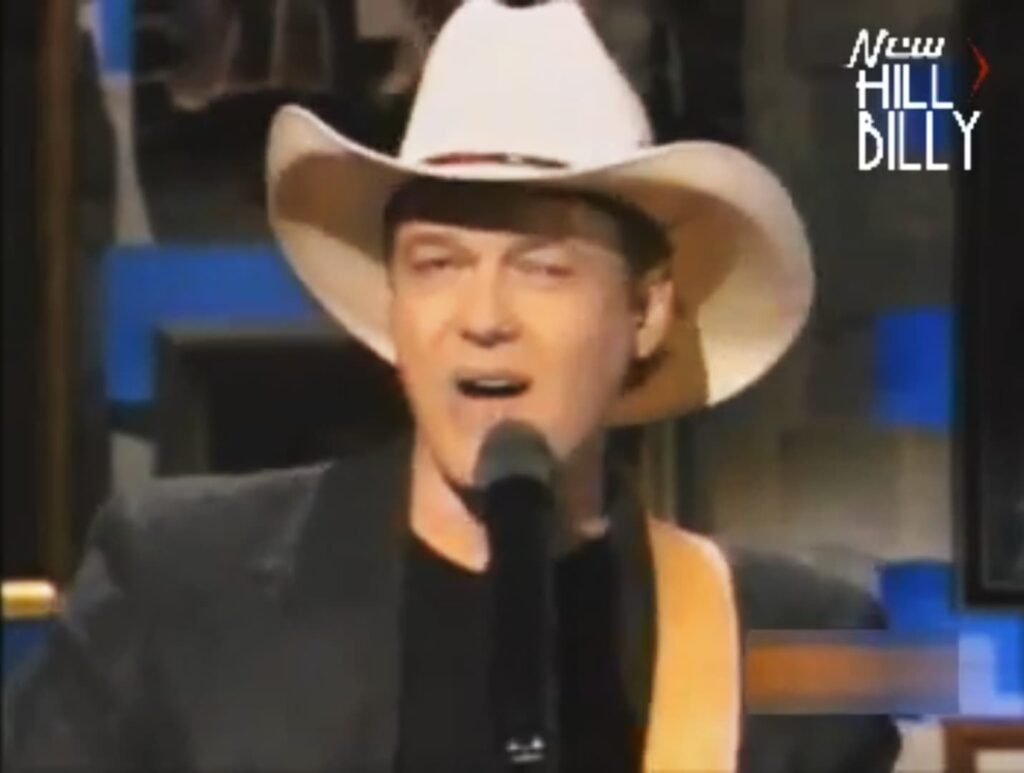
Among the many songs that explore love, heartbreak, and moral conflict in country music, “Borrowed Angel” holds a special place. When Ricky Van Shelton recorded “Borrowed Angel” for his 1998 album Making Plans, he was revisiting a song that already carried a long and complicated emotional history in country music. Originally written and recorded by Mel Street in 1972, the song had become one of those rare pieces that perfectly captured the quiet sorrow of a love that should never have begun.
By the time Ricky Van Shelton released his version on Making Plans, he had already established himself as one of the most respected traditional voices of late twentieth century country music. Known for his smooth baritone and heartfelt delivery, Shelton had built a reputation on songs that spoke directly to the emotional core of everyday life. With “Borrowed Angel,” he stepped into a story that country audiences had understood for generations: the painful tenderness of loving someone who belongs to another.
The song opens with a gentle, almost intimate moment. A man holds the hand of a woman whose touch feels soft and comforting. Her hair rests like silk on his arm, and for a brief moment she whispers that she is his alone. But the illusion is fragile. The night will end. She will return home. And the man who sings the song knows that the love he feels is built on borrowed time.
That phrase, “borrowed angel,” carries the full emotional weight of the song. The woman he loves is not truly his. The ring on her finger tells the truth that neither of them can ignore. Yet the bond between them is undeniable. In classic country fashion, the lyrics do not try to justify the situation. Instead they simply reveal the loneliness and longing that brought these two people together.
What makes Ricky Van Shelton’s interpretation so effective is the restraint in his performance. He does not overdramatize the story. Instead, his voice carries a quiet sadness that feels almost conversational. The steel guitar weaves gently through the arrangement, reinforcing the reflective tone that traditional country fans cherish. It is the kind of production that feels timeless, the kind that reminds listeners of late night radio and lonely highways.
The deeper tragedy of “Borrowed Angel” lies in its honesty. The singer knows the relationship cannot last. He even admits that it is not right. Yet when loneliness returns and the silence of the night grows too heavy, he will reach for the only comfort he knows. The borrowed angel who brings him temporary peace.
For listeners who grew up with classic country storytelling, songs like this are reminders of an era when music spoke plainly about complicated emotions. Ricky Van Shelton did not simply record “Borrowed Angel.” He preserved the spirit of a song that understands something timeless about the human heart: sometimes love arrives quietly, stays briefly, and leaves behind a memory that lingers far longer than it should.
 Music Legend