
A Simple Prayer From an Ordinary Man: Why Don Williams’ “Lord, I Hope This Day Is Good” Still Speaks to Millions
In 1981, Don Williams released “Lord, I Hope This Day Is Good,” a song so simple that it could easily be overlooked. Yet more than four decades later, it remains one of the most beloved recordings in country music history, a quiet prayer that continues to resonate with listeners facing life’s ordinary struggles.
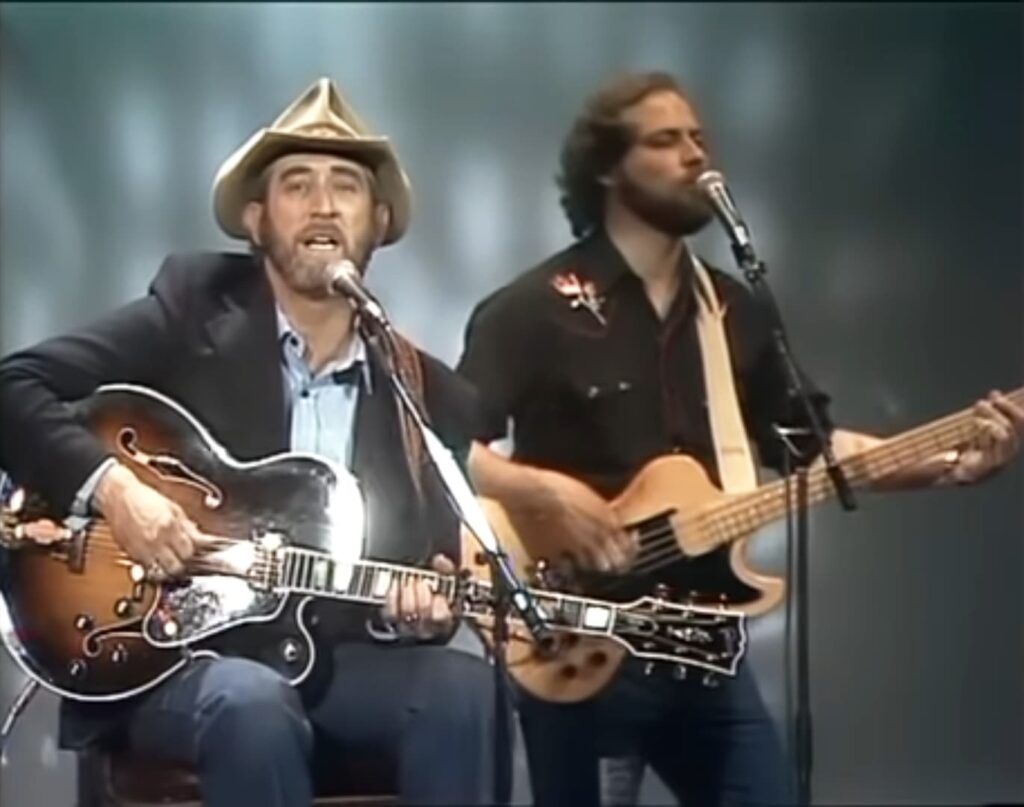
By 1982, when Williams was performing the song before audiences across America, he was already one of country music’s most trusted voices. Nicknamed “The Gentle Giant,” Williams had built his reputation not through flashy performances or dramatic vocals, but through sincerity, warmth, and an uncanny ability to make listeners feel understood.
That quality is on full display in “Lord, I Hope This Day Is Good.”
What makes the song remarkable is that it asks for almost nothing.
The narrator does not pray for wealth. He does not ask for fame, power, or success. Instead, he makes a humble request:
“Lord, I hope this day is good.”
It is a sentiment that feels strikingly familiar. Nearly everyone has experienced moments of exhaustion, uncertainty, or disappointment. The song captures those feelings without bitterness. The narrator admits he feels “empty and misunderstood,” yet he approaches God with honesty rather than anger.
That honesty may be the reason the song has endured.
Unlike many inspirational songs, “Lord, I Hope This Day Is Good” does not present a perfect believer with unwavering confidence. The man in the song is struggling. He knows he should be grateful. He knows others may have greater problems. Yet he still hopes for a little relief from life’s burdens.
For many listeners, that vulnerability feels profoundly human.
The timing of the song’s release also contributed to its impact. The early 1980s brought economic uncertainty for many American families. Farmers, factory workers, small business owners, and working-class communities faced difficult challenges. Against that backdrop, Williams delivered a song that offered comfort without preaching and faith without judgment.
Its success was immediate. The single reached No. 1 on the Billboard Hot Country Singles chart, becoming one of the defining recordings of Williams’ career. More importantly, it became a song people carried with them through difficult seasons of life.
Listening today, one of the most striking aspects of the performance is Williams’ restraint.
There are no dramatic vocal flourishes. No emotional outbursts. No attempt to overwhelm the listener. He simply stands before the audience and sings.
In an era when many performers sought bigger sounds and larger productions, Williams demonstrated the power of understatement. Every lyric feels conversational, as if it were spoken across a kitchen table rather than delivered from a concert stage.
That simplicity has allowed the song to age remarkably well.
Modern listeners often discover something unexpected when revisiting “Lord, I Hope This Day Is Good.” What first appears to be a religious song gradually reveals itself as something broader. It becomes a reflection on everyday life, on resilience, and on the quiet hopes people carry through difficult times.
Perhaps the most moving line arrives when the narrator says he does not need fortune and does not need fame. In a culture often focused on achievement and recognition, those words feel almost revolutionary. The song suggests that peace, understanding, and one good day may be worth more than all the success in the world.
Looking back now, the performance serves as a reminder of why Don Williams occupied such a special place in country music. He never needed to shout to be heard. He never needed spectacle to make an impact. His greatest gift was making listeners feel less alone.
More than forty years after its release, “Lord, I Hope This Day Is Good” remains what it has always been: a gentle conversation between a weary heart and a higher power. Its message is timeless because its request is universal.