
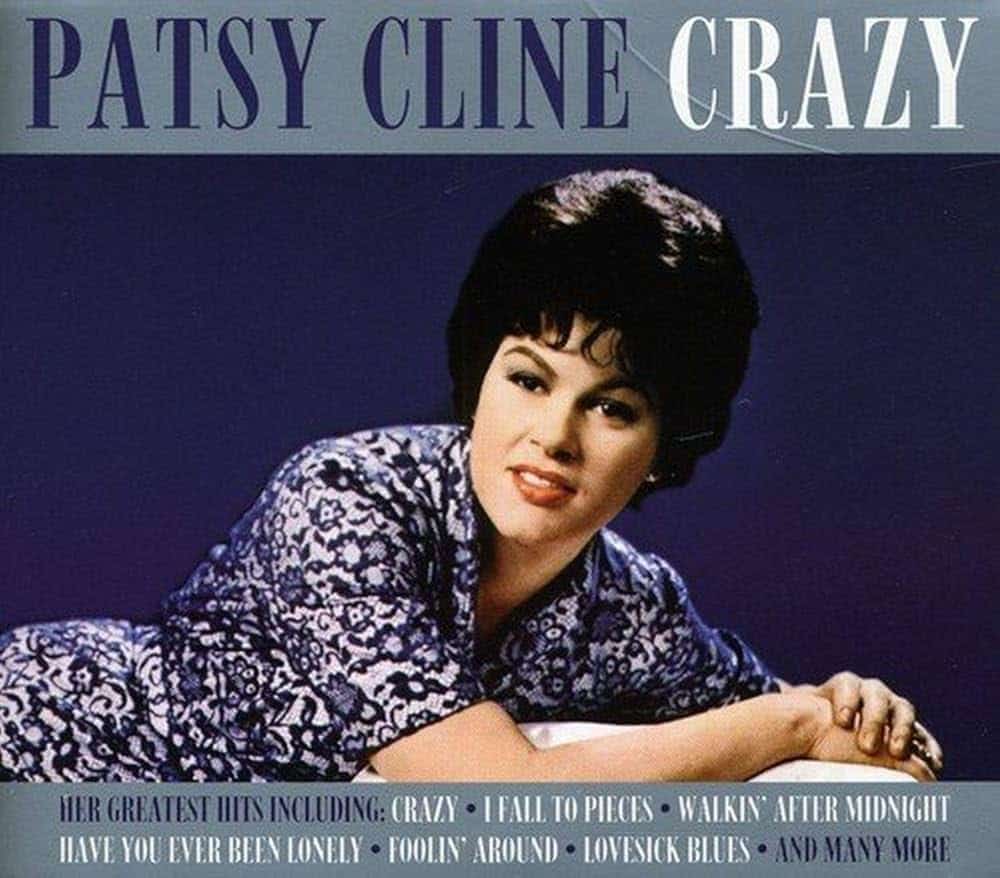
Patsy Cline and the Sound of Love Already Breaking, a Voice That Turned Heartache Into Permanence
On March 5, 1963, country music lost one of its most transformative voices when Patsy Cline died in a plane crash near Camden, Tennessee. She was only 30 years old, yet her impact on American popular music had already reached a level most artists never touch. At the time of her death, she was not a memory, not a legend in retrospect, but an active chart force whose records were still climbing, whose voice was still reshaping how heartbreak could be sung.
What makes Patsy Cline’s story so haunting is not simply how early it ended, but where it ended. She was in the middle of her ascent. Her crossover success between country and pop was widening. Her control, phrasing, and emotional authority were becoming more refined, more devastating. Radio programmers did not stop playing her records after the crash. They played them more. It was as if the music itself refused to accept that the voice was gone.
Her defining breakthrough came with “Crazy”, written by a then little known Willie Nelson and released in 1961 on the album “Patsy Cline Showcase”. The song reached No. 2 on the Billboard Hot Country Singles chart and crossed over to No. 9 on the Billboard Hot 100, an extraordinary achievement for a country ballad sung without irony, without flash, and without apology. Patsy Cline did not bend the song toward pop. Pop bent toward her.
“Crazy” was not about dramatic betrayal or theatrical sorrow. It was about quiet self awareness. The admission that loving someone too much is a form of helplessness. Patsy sang it slowly, deliberately, stretching the word “crazy” until it sounded less like a confession and more like a verdict she had already accepted. She did not plead for sympathy. She stood inside the feeling and let it speak for itself.
That emotional authority returned in “I Fall to Pieces”, released in 1961 and written by Harlan Howard and Hank Cochran. The song became her first No. 1 hit on the Billboard Hot Country chart, while also reaching No. 12 on the Billboard Hot 100. Once again, the subject was not explosive heartbreak, but the slow, private collapse that happens when someone tries to appear strong and fails. Patsy’s phrasing turned restraint into power. Every pause mattered. Every held note felt lived in.
By 1962, she released “She’s Got You”, which reached No. 1 on the country chart and No. 14 on the pop chart, later winning the Grammy Award for Best Country and Western Recording. It was a song about replacement, about knowing that love has moved on and taken its warmth with it. Patsy sang it without bitterness. That was her gift. She never made heartbreak sound angry. She made it sound inevitable.
What separated Patsy Cline from her peers was not just her range or her flawless pitch, but her emotional intelligence. She understood that the most painful love songs are not about being left, but about knowing why someone leaves. She sang love as something already slipping away, even when the lyric suggested hope. There was always a quiet goodbye hidden in her tone.
Her albums, including “Sentimentally Yours” and the posthumous “The Patsy Cline Story”, revealed a singer who was bridging eras. She honored country tradition while pushing it toward sophistication, toward adult reflection. She made room for vulnerability without weakness.
When Patsy Cline died, country music did not simply lose a star. It lost a voice that had redefined how women could sound when singing about love. Strong but not hardened. Emotional but never indulgent. Honest without explanation.
Even now, when “Crazy” comes on late at night, it does not feel like a record from the early 1960s. It feels like a voice still reaching out, still telling the truth gently, carefully, one last time. Not as a farewell, but as a reminder. Love does not always promise forever. Sometimes, it only promises that it will be remembered.
 Oldies Songs