
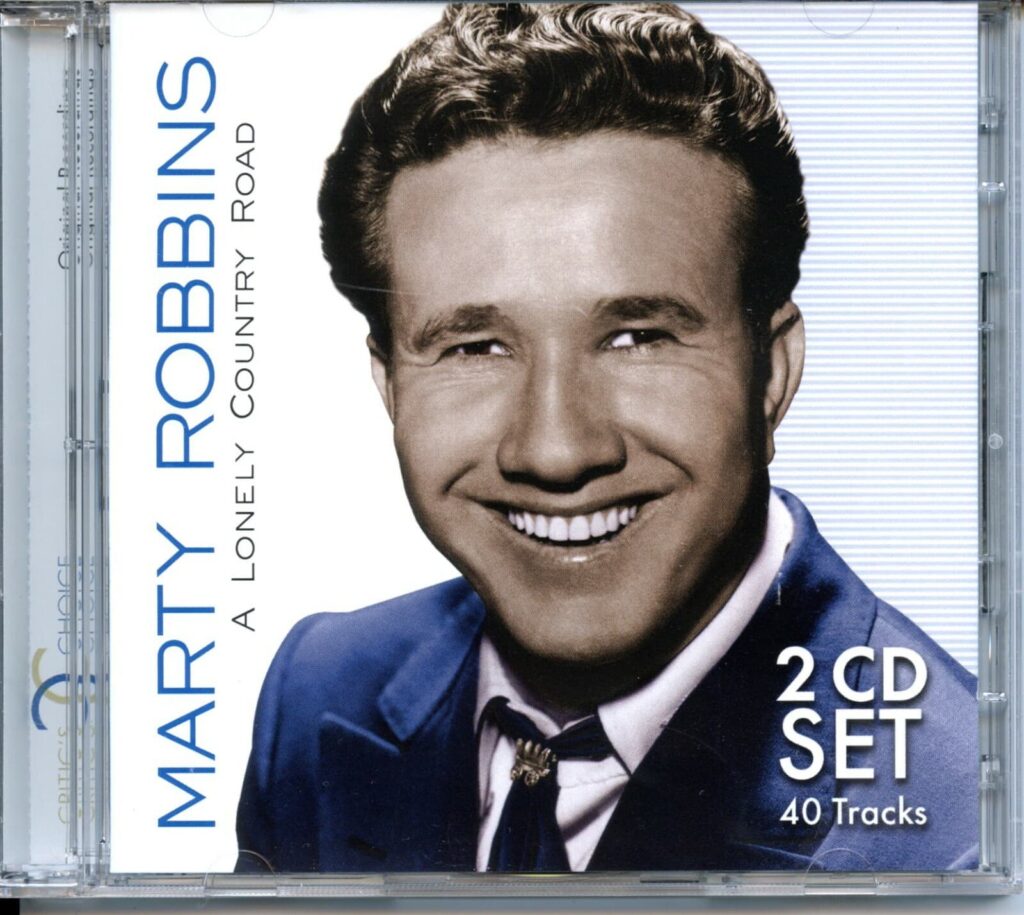
Marty Robbins – Now Is The Hour: A Hauntingly Beautiful Farewell from the Heart of the Pacific
In the early chapters of his career, long before the gunfights of El Paso made him a household name, Marty Robbins was already proving that his voice belonged to the world. In 1957, he released an album that showcased his deep affection for the music of the Pacific Islands: Song of the Islands. Among its many treasures, “Now Is The Hour” stands as a somber, elegant masterpiece of vocal restraint. It is a song that doesn’t just describe a departure; it creates an atmosphere of timeless, quiet longing that resonates with anyone who has ever had to say a long-distance goodbye.
Originally a Māori folk song from New Zealand (“Po Atarau”), “Now Is The Hour” became a global anthem of parting during World War II. When Marty tackled it for his first Hawaiian-themed project, he treated it with the reverence of a hymn. Under the production of Columbia Records, the track features a lush, Hawaiian-style arrangement with shimmering steel guitars that mimic the gentle ebb and flow of the tide. The album reached Number 17 on the Billboard Top Country Albums chart, a remarkable feat for a project that strayed so far from the traditional Nashville sound of the era.
The true magic of this recording lies in Marty’s vocal delivery. He inhabits the character of the traveler with a heartbreaking sincerity. His signature “velvet” baritone is at its most tender here, navigating the melody with a graceful, unhurried pace. For an older audience, this song is a powerful invocation of a specific kind of nostalgia. It evokes memories of a time when the world felt larger, when partings across the ocean were heavy with the weight of uncertainty, and when a song was the only bridge between those who left and those who stayed behind.
The lyrics—“Now is the hour when we must say goodbye / Soon you’ll be sailing far across the sea”—are delivered with a soft, persistent warmth. Marty avoids the operatic melodrama that some singers bring to this track, choosing instead to sing it as a private promise between two souls. This was the “Country Gentleman” at his most sophisticated, proving that a singer from Arizona could find the universal heartbeat in a melody from the South Pacific.
As we revisit “Now Is The Hour” today, it serves as a beautiful reminder of Marty Robbins’ incredible range. He was a man who could command a dusty street in a Western town just as easily as he could capture the serene, somber beauty of a Polynesian farewell. For the listener who appreciates the “hush” of a well-crafted ballad, this recording remains a shining example of why Marty remains peerless. It is a timeless, melodic embrace—a song that reminds us that even as the hour of parting arrives, the music keeps the memory of home alive.