
A gentle waltz about love gained, love lost, and the quiet ache that lingers when the music fades
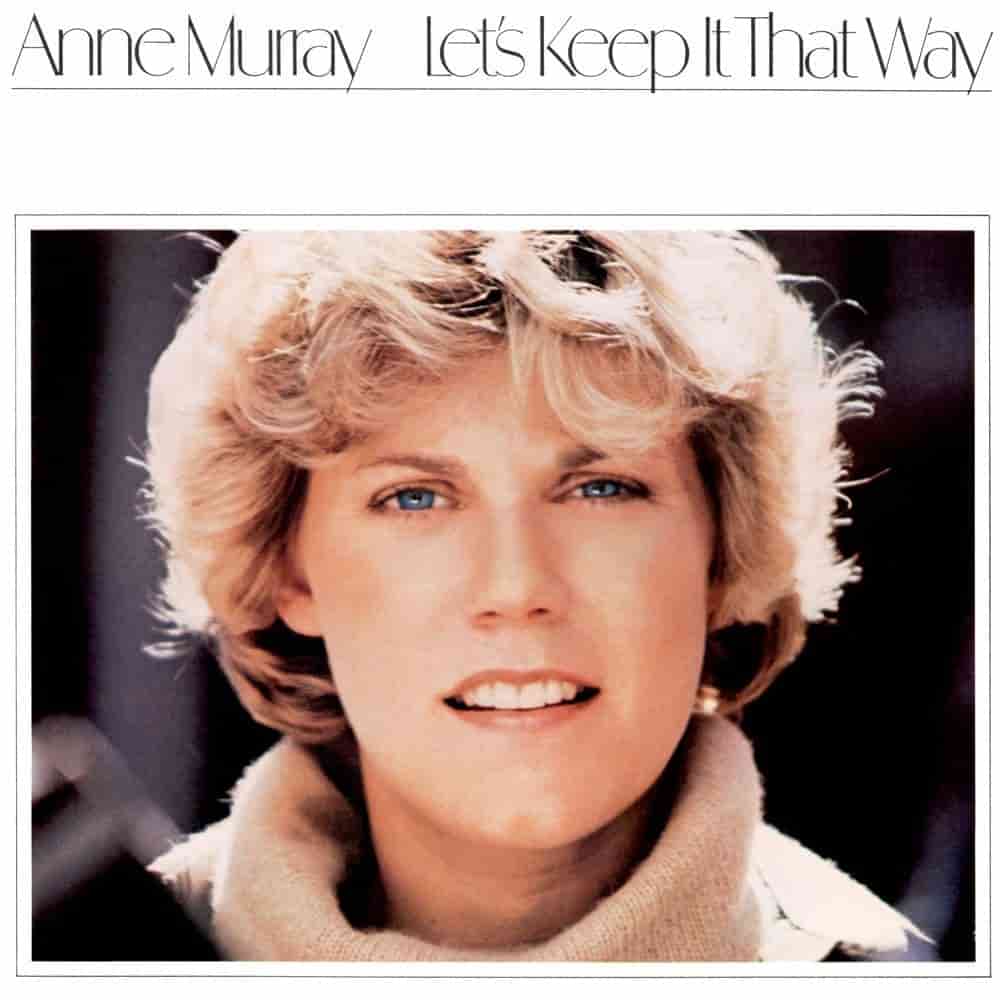
Few songs carry the emotional weight and timeless grace of “Tennessee Waltz”, and few voices have embraced its tenderness as naturally as Anne Murray. When Murray recorded the song for her platinum selling 1978 album Let’s Keep It That Way, she was not simply revisiting a country standard. She was entering a long conversation between memory, melody, and emotional restraint, offering a version that felt intimate, reflective, and deeply human.
Originally written in 1946 by Redd Stewart and Pee Wee King, “Tennessee Waltz” had already lived several musical lives before Murray approached it. The song was inspired by Bill Monroe’s instrumental “Kentucky Waltz” and reshaped into a lyrical story of romantic displacement. Its most famous incarnation came in 1950, when Patti Page transformed it into a cultural phenomenon, sending it to number one on the Billboard pop chart for thirteen weeks. By the time Anne Murray recorded her version decades later, the song was already woven into the fabric of American music history.
What makes Murray’s interpretation so compelling is its emotional economy. Released as a single in 1982, her “Tennessee Waltz” reached the Top 10 on the Billboard Adult Contemporary chart and entered the Top 40 on the Country charts. These placements reflected not commercial hype, but trust. Audiences recognized that Anne Murray did not sing to impress. She sang to understand.
By the late 1970s, Anne Murray had established herself as one of the most reliable and emotionally accessible voices in popular music. Albums like Snowbird, Talk It Over in the Morning, and Let’s Keep It That Way had made her a household name across North America. Her sound sat comfortably between country, pop, and adult contemporary, marked by clarity, warmth, and an absence of theatrical excess. This balance made her an ideal interpreter of “Tennessee Waltz”, a song that collapses if pushed too hard.
The story at the heart of the song is deceptively simple. A narrator attends a dance with a loved one, only to lose them to another partner during the waltz. There is no confrontation, no dramatic outburst, only the quiet realization that something precious has slipped away. In Murray’s hands, this moment is not bitter. It is resigned. She sings as someone who has lived long enough to know that heartbreak often arrives politely, without warning, dressed as an ordinary evening.
Her vocal performance is measured and restrained. The phrasing is unhurried. The emotion is carried not by volume but by space. Each line feels considered, as if she is choosing her words carefully, aware that memory can bruise if handled roughly. This restraint is central to the song’s meaning. “Tennessee Waltz” is not about anger or betrayal. It is about the quiet shock of realization, the moment when joy turns into loss without changing its face.
Musically, the arrangement on Let’s Keep It That Way honors tradition while remaining understated. The waltz tempo remains steady, almost ceremonial. The instrumentation supports rather than leads, allowing Murray’s voice to remain the focal point. Nothing distracts from the story. Nothing rushes the feeling. The result is a recording that feels less like a performance and more like a confession shared in confidence.
Over time, Anne Murray’s “Tennessee Waltz” has endured because it respects its audience. It does not demand attention. It invites reflection. It understands that some of the deepest emotional truths arrive softly and stay with us quietly. In revisiting this song, Murray did not attempt to redefine a classic. She listened to it, trusted it, and allowed it to speak again in a voice shaped by experience.
In the end, her version stands as a reminder of why certain songs never fade. They return to us not as relics, but as mirrors, reflecting moments we recognize immediately, even decades later. “Tennessee Waltz”, as sung by Anne Murray, remains one of those rare recordings that does not age. It simply waits, patient and graceful, for the next listener to understand.
 Music Legend