
Marty Robbins’ “Tumbling Tumbleweeds”: An Echo of the Wandering Soul and the Call of the Open Range
There are few images more evocative of the American West than the sight of a tumbleweed, rolling endlessly across the vast, empty plains—a symbol of rootlessness, freedom, and the persistent pull of the unknown. Marty Robbins’ recording of “Tumbling Tumbleweeds” captures the poetic essence of this icon, transforming the simple weed into a metaphor for the lonesome traveler, forever chasing the horizon. It is a song that doesn’t just describe the West; it embodies the weary romance of the nomadic life.
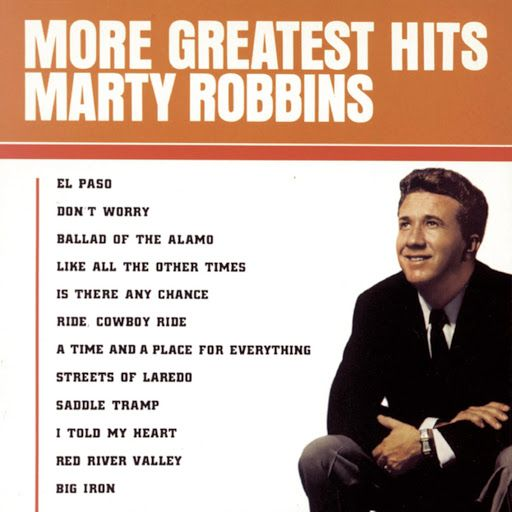
The song itself is a legendary standard of the Western genre, penned by Bob Nolan and famously performed by The Sons of the Pioneers in 1934. Marty Robbins released his interpretation on his celebrated 1959 album, Gunfighter Ballads and Trail Songs. By including this enduring classic alongside his own masterful originals like “El Paso” and “Big Iron,” Robbins cemented his place not just as a songwriter, but as a curator and interpreter of the definitive Western musical canon.
While this traditional song was not released as a single at the time of Robbins’ recording, its inclusion on one of the most successful concept albums in Country music history gave it immense visibility and sustained popularity. The entire album stood at the forefront of the Country charts for years, ensuring that Robbins’ warm, inviting performance of “Tumbling Tumbleweeds” reached millions of listeners. His version is widely regarded as one of the most beautiful and faithful renditions, emphasizing the melody’s inherent melancholy and quiet longing.
The core meaning of “Tumbling Tumbleweeds” is the identification of the self with the natural world’s restlessness. The narrator sees himself reflected in the rolling tumbleweed—a soul with no fixed home, carried by the winds of fate and circumstance. The song expresses a poignant understanding that while this freedom might seem enviable, it comes at the high cost of perpetual loneliness and lack of belonging. The lines convey a deep sense of yearning to settle down (“I want to marry a girl, one that I can win”), but the stronger, irresistible compulsion is always the call to keep moving: “Roll along, roll along.” It beautifully captures the internal conflict between the desire for hearth and home and the inherent destiny of the wanderer.
For those of us who cherish the classic era of Western music and film, this song is pure nostalgia, immediately transporting us back to black-and-white movie screens and the vast, romanticized landscapes of the American Southwest. Marty Robbins’ performance here is masterful in its restraint; his voice is smooth and rich, conveying the depth of the traveler’s weariness and his quiet resignation to the fate of the road. It reminds us of a time when the West was defined not just by gunfights, but by the sweeping emotional landscape of the lonesome trail.
“Tumbling Tumbleweeds” is an essential piece of the legacy of Marty Robbins, showcasing his reverence for the heritage of the genre and his profound ability to lend both warmth and sorrow to the simplest of folk images. It remains a timeless anthem for anyone who has ever felt the pull of the open road and the sad freedom of having no fixed destination.
 Music Legend