
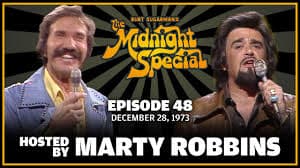
One Winter Night in 1973 Captured the Raw Spirit of a Changing America
On December 28, 1973, The Midnight Special aired Episode 48 at a moment when American popular music was exploding in every possible direction. Rock had become grander, country was crossing into mainstream consciousness, soul music carried the emotional weight of a generation, and television variety programs were evolving into cultural time capsules. Unlike the polished restraint of earlier broadcast formats, The Midnight Special embraced something looser, louder, and more alive. It gave artists room to feel human. And that particular late-December episode now stands as a remarkable snapshot of an era when music television still felt unpredictable.
Premiering originally on NBC in 1972, The Midnight Special quickly distinguished itself from other music programs by prioritizing live performance energy over sterile presentation. Hosted in rotating fashion by some of the era’s biggest names, the show became one of the few places where audiences could see major artists performing in an atmosphere that retained the electricity of a concert stage. Episode 48, broadcast just days before the arrival of 1974, carried that spirit perfectly. There is something almost poetic about a year-end broadcast during a period when American music itself seemed caught between reflection and reinvention.
By late 1973, the cultural mood in the United States had grown increasingly complicated. The optimism of the 1960s had faded into political distrust following Watergate, the Vietnam War still lingered painfully in the national consciousness, and popular music had become one of the few places where emotional honesty could still flourish publicly. Programs like The Midnight Special mattered because they created communal experiences around music. Families stayed awake to watch together. Teenagers discovered new artists unexpectedly. Fans saw performers stripped away from heavy studio manipulation and placed directly under stage lights, vulnerable and immediate.
What made these broadcasts unforgettable was their sense of authenticity. Modern audiences often forget how rare it once was to actually see musicians perform outside of concerts. In 1973, television appearances carried enormous cultural weight. A single performance could reshape public perception of an artist overnight. And unlike tightly choreographed modern productions, many appearances on The Midnight Special retained rough edges: slight vocal imperfections, spontaneous crowd reactions, moments of visible exhaustion or joy. Those imperfections became part of the magic because they reminded viewers that music was still fundamentally human.
Episode 48 also arrived during one of the richest transitional periods in American music history. The early 1970s had inherited the emotional introspection of the singer-songwriter movement while simultaneously moving toward arena rock spectacle and the polished crossover sound that would dominate the later decade. You could feel those worlds colliding on programs like this. Artists no longer belonged neatly to one audience. Country musicians found rock listeners. Soul artists crossed into pop charts. Folk influences merged with radio-friendly production. Television became the meeting ground where those musical identities coexisted.
Part of the enduring fascination with The Midnight Special lies in its atmosphere. Watching these performances today feels almost archaeological. The lighting, stage design, camera movements, and audience reactions reveal an America before the digital age transformed entertainment into constant accessibility. There was patience in the experience. People waited for broadcasts. Songs unfolded without interruption from phones or social media. Performances had room to breathe. That slower rhythm gave emotional moments greater permanence.
The December 28, 1973 episode especially carries a reflective undertone because of its placement at the close of the year. There is an unmistakable sense of transition embedded within broadcasts that air during the final days of December. Musicians appear slightly worn from touring. Audiences seem more nostalgic. Even upbeat performances often contain traces of melancholy beneath them. In hindsight, that emotional texture makes episodes like this feel richer than simple entertainment programming. They became emotional documents of their time.
Today, The Midnight Special survives not merely because of nostalgia, but because it preserved something modern music culture often struggles to recreate: intimacy within mass entertainment. The performers still felt reachable. The stage still felt dangerous in the best possible way. And the audience at home could still believe that music had the power to momentarily quiet the anxieties of the outside world.
Episode 48 remains a reminder that the greatest music television was never just about songs. It was about capturing fleeting moments of cultural truth before they disappeared into history.
 Music Legend