
A Song About a Train, a Nation, and a Way of Life Slowly Disappearing Down the Tracks
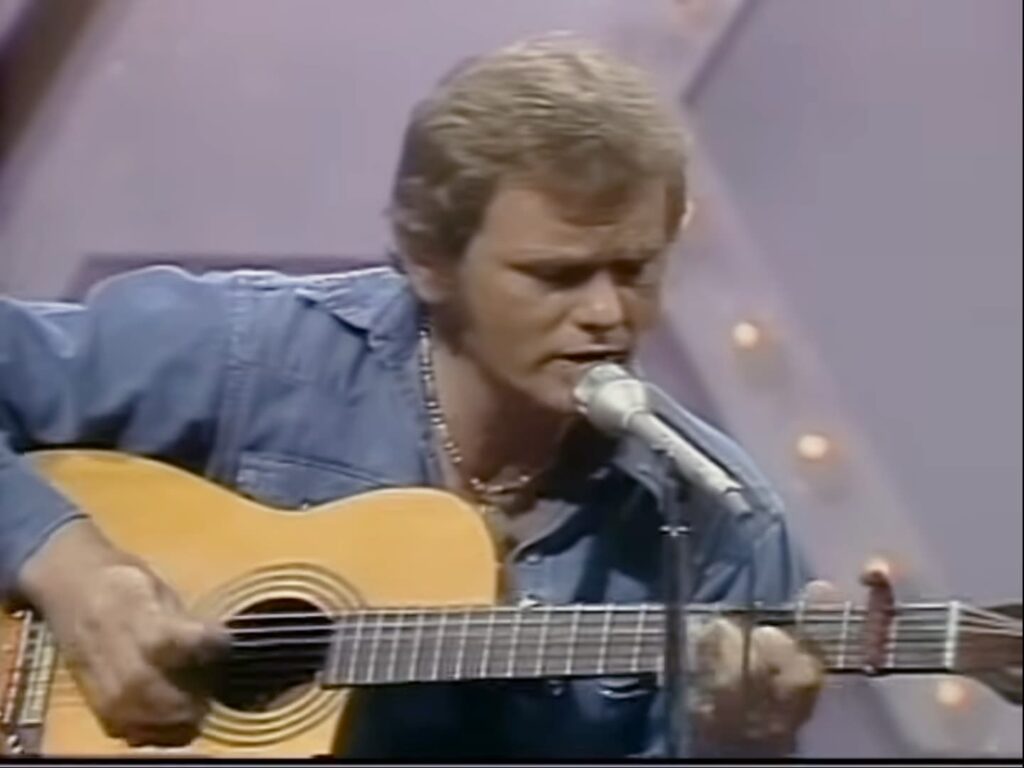
When Jerry Reed performed “City of New Orleans,” he brought a distinctly personal touch to one of the most beloved storytelling songs ever written. Originally penned by the late Steve Goodman and later popularized by Arlo Guthrie, the song had already become an American classic by the time Reed recorded his own version. Yet in his hands, it became something slightly different: a warm, unpretentious tribute to the people, places, and memories carried across the rails of America.
Born in Atlanta, Jerry Reed built his reputation as one of country music’s most versatile entertainers. Known for his dazzling guitar work, infectious humor, and larger-than-life personality, he was often associated with energetic hits and playful performances. That is precisely why his interpretation of “City of New Orleans” feels so refreshing. Instead of relying on showmanship, Reed allows the song’s rich imagery and emotional depth to take center stage.
The song follows the legendary passenger train known as the City of New Orleans as it travels through the American heartland. Along the journey, listeners encounter restless passengers, conductors, farmers, forgotten towns, and landscapes that seem frozen in time. Through these details, Goodman created far more than a travel song. He captured a portrait of a changing nation, reflecting on traditions and ways of life that were gradually fading from view.
One of the most memorable moments arrives with the chorus: “Good morning America, how are you?” It sounds simple, almost conversational. Yet beneath those words lies a powerful sense of nostalgia. The train itself becomes a narrator, speaking on behalf of an America that once moved at a slower pace, where long-distance rail travel connected communities and stories unfolded mile by mile rather than at the speed of modern life.
Jerry Reed’s rendition emphasizes that sense of warmth and familiarity. His relaxed vocal style makes the listener feel less like an audience member and more like a fellow traveler sharing the ride. There is no urgency in his delivery. Instead, he lets the song breathe, allowing every image to settle naturally. The result is a performance that feels timeless, inviting listeners to look out the window and reflect on the passage of both miles and years.
The enduring appeal of “City of New Orleans” is evident in the remarkable number of artists who have recorded it. Along with Arlo Guthrie, the song was later covered by country legends including Willie Nelson, whose acclaimed version earned a Grammy Award and introduced the song to a new generation of listeners. Each artist found something different within the lyrics, but all were drawn to the song’s universal themes of memory, change, and belonging.
Listening to Jerry Reed’s performance today, it feels like opening a window into another America. The train rolls past farms, small towns, and forgotten landmarks, carrying with it countless untold stories. Many of those places have changed, and many of the people who lived through that era are gone. Yet the song continues its journey.
Like the train itself, “City of New Orleans” keeps moving through time, reminding us that some journeys are about far more than reaching a destination. They are about remembering where we came from, appreciating what remains, and recognizing the beauty found along the way.
 Music Legend