
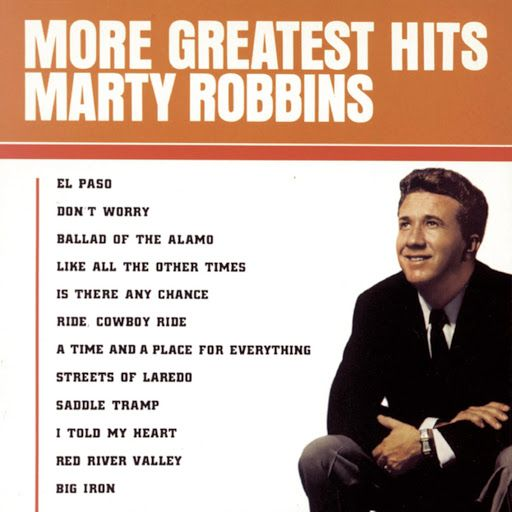
Marty Robbins – Too Far Gone: A Velvet Requiem for the Point of No Return
In the mid-winter of 1967, as the world was beginning to fracture into a kaleidoscope of loud colors and louder sounds, Marty Robbins released his album Tonight We’re Singing with Marty Robbins. Within this collection of timeless standards, his rendition of “Too Far Gone” emerged as a centerpiece of pure, unadulterated heartbreak. The album itself was a massive success, reaching #1 on the Billboard Top Country Albums chart, but it was this specific track—written by the legendary Billy Sherrill—that showcased Marty as the ultimate architect of the “Nashville Sound.” He took a song about the heavy, irreversible weight of a fading love and turned it into a sanctuary for the weary soul.
The Twilight of a Long Road
To hear Marty Robbins sing “Too Far Gone” today is to be pulled back to a time when a radio could be your only companion on a lonely drive home. For those of us who carry the memories of the late sixties, this song represents a specific kind of emotional maturity. It was an era where we were all learning that some things, once broken, cannot be mended by time alone. Marty, at the height of his powers with Columbia Records, possessed a voice that didn’t just sing the blues; it understood them. This recording is a time capsule of an era where masculinity and vulnerability walked hand-in-hand, and nobody did it with more grace than the “Velvet Voice.”
The Geography of a Heart Without a Compass
The narrative of “Too Far Gone” is a poetic study of the “point of no return.” It tells the story of a man who realizes that the bridge back to his lover has been burned, and he is standing on the wrong side of the ashes. It isn’t a song of anger; it is a song of profound, quiet realization. It captures that terrifying moment when you look into the eyes of someone you love and realize you are seeing a stranger.
“I’m too far gone, I’m too far gone… I’ve loved you way too long / And now I’m too far gone.”
For the mature reader, these words are a mirror of the seasons we have survived. We have all reached a place in our lives where we realized we had given so much of ourselves away that there was nothing left to pull back. Marty’s vocal performance is nothing short of celestial. He approaches the melody with a weary elegance, his phrasing slow and deliberate, as if he is counting the miles of the journey he can never retake. There is an intense nostalgia in his tone—a longing not just for a person, but for the person he was before the love took its toll.
The Sound of an Eternal Sunset
The production of this track is a masterclass in atmospheric restraint. It features the signature, weeping steel guitar that seems to sigh in sympathy with Marty’s voice, and a soft, orchestral swell that provides a cushion for the tragedy. The arrangement is sparse enough to allow the silence between the notes to speak, mimicking the emptiness of the life he describes. It is a “clean” recording, characterized by the high-fidelity warmth of the sixties, where every breath and every string-buzz was a part of the story.
As we revisit “Too Far Gone”, we are reminded of why Marty Robbins remains the gold standard for the country ballad. He gave us a language for our most silent despairs and a melody for our most enduring regrets. This song is a nostalgic masterpiece because it respects the finality of our choices. It serves as a gentle reminder that while we may be “too far gone” to go back, there is a profound, shared beauty in the music we find along the way.
 Music Legend